
Blog
Do Arthritis Flare-Ups Really Get Worse as the Weather Turns?
Getting Ahead of Cold-Weather Joint Pain with SoftWave Therapy at Paramount Chiropractic in Westlake, OH
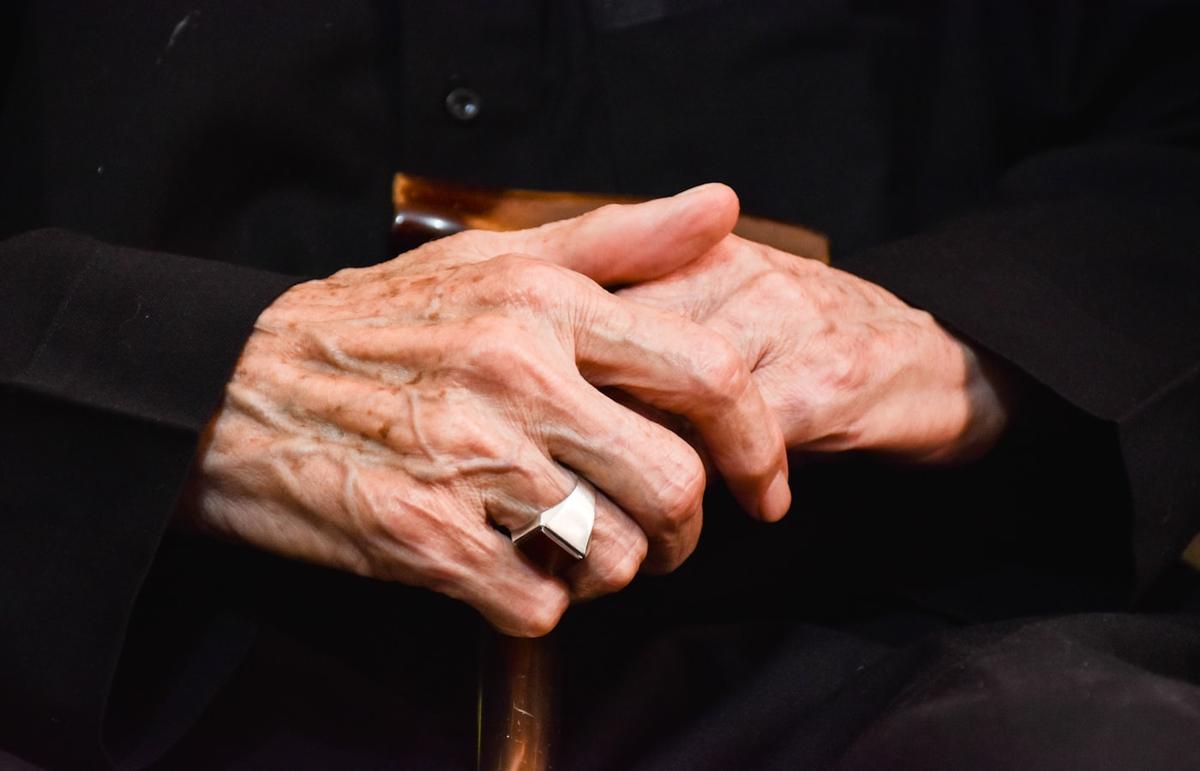
At Paramount Chiropractic, Dr. Greg Prybylski and his expert team hear it every autumn: the joints know before the forecast does. If your knees, hips, and hands start aching as Northeast Ohio cools off, you are not imagining it — and advanced SoftWave Tissue Regeneration Technology (TRT) offers a way to get ahead of the season instead of enduring it. Discover what is actually happening in your joints and what you can do about it.
Is There Really a Weather Connection?
The honest answer is that the science is mixed, but not empty. Large studies looking for a link between daily weather and joint pain have produced inconsistent results, and some found no meaningful association at all. Other research — including work using data from thousands of participants tracking symptoms alongside local conditions — has found modest but real associations, particularly with humidity, barometric pressure changes, and cold. What almost everyone agrees on is that a very large number of people with arthritis report the effect consistently, across cultures and climates. Something is going on; the mechanism is simply not settled.
The Leading Explanations
- Barometric Pressure Drops: When atmospheric pressure falls ahead of a storm, the tissues around a joint may expand slightly. In a joint already inflamed and short on space, a small change can be felt.
- Cold and Tissue Stiffness: Cold increases the viscosity of synovial fluid and reduces muscle and tendon extensibility, so joints genuinely move less freely.
- Reduced Blood Flow: Cold triggers peripheral vasoconstriction, sending less circulation to the hands, feet, and superficial joints.
- Behavior Change: This one is underrated. Cold, dark, wet weather means less walking, less time outdoors, and more sitting — and inactivity reliably worsens arthritis stiffness and pain.
- Vitamin D Decline: At Cleveland’s latitude, sun exposure drops sharply from October onward, and low vitamin D is associated with musculoskeletal pain.
- Sleep and Mood: Shorter days affect both, and both meaningfully influence pain perception.
What Actually Helps Through an Ohio Winter
- Keep Moving: The single most effective thing. Motion is what nourishes cartilage — joints have no blood supply of their own and depend on movement to circulate synovial fluid.
- Have an Indoor Plan: A treadmill, a pool, a mall walking loop, or a gym membership arranged before the weather turns, not after.
- Dress the Joints: Layers, gloves, and compression sleeves for affected knees and hands genuinely help.
- Warm Up Longer: Cold tissue needs more preparation before activity than warm tissue does.
- Maintain Strength: Muscle is a joint’s shock absorber, and it is lost quickly during a sedentary winter.
- Ask About Vitamin D: Worth discussing with your physician if you live this far north.
The Traditional Route for Seasonal Flares
Most people manage autumn flares with over-the-counter anti-inflammatories, topical creams, heating pads, and simply doing less. When flares become frequent, the medical ladder moves to prescription anti-inflammatories — which carry real gastrointestinal, kidney, and cardiovascular considerations with long-term use — and then to cortisone injections. These help you tolerate the season, but nothing in that sequence improves the joint’s underlying condition, and each winter tends to start from a slightly worse baseline than the last.
Getting Ahead of the Season with SoftWave Therapy
SoftWave TRT offers a non-surgical, non-injection, and drug-free option for addressing the chronic inflammation and poor circulation that make arthritic joints miserable in cold weather. This advanced shock wave technology utilizes electrohydraulic supersonic acoustic waves traveling over 3,000 mph to stimulate a cascade of positive biological responses at the cellular level for healing, repair, and regeneration.
Advanced Benefits of SoftWave TRT
- Decreases Pain and Inflammation: SoftWave therapy helps calm the chronic inflammation that flares when conditions change.
- Improves Blood Flow and Circulation: Through a process called angiogenesis, SoftWave TRT enhances circulation — directly countering the cold-driven reduction in blood flow to affected joints.
- Improves Mobility and Function: By reducing stiffness and restriction, SoftWave therapy helps you stay active through the months when activity matters most.
- Stimulates and Activates Resident Stem Cells: SoftWave TRT activates and moves resident stem cells, facilitating the repair and regeneration of damaged tissues.
If your worst joint is the knee, our guide to advanced non-surgical knee pain relief options goes deeper. To get ahead of your winter flare-ups, book your SoftWave Discovery Day or call (440) 385-7726.
Why September Is the Right Month to Start
Most people call about their arthritis in January, in the middle of a flare, after two months of doing less. Starting a course of care in early autumn works better for a simple reason: it takes time for tissue-level changes to accumulate, and you want that work already done when the cold arrives. Beginning now also means you head into winter still active — still walking, still strong — rather than trying to rebuild in February from a sedentary baseline. The joints that do best through a Cleveland winter are the ones that never stopped moving.
The Science Behind SoftWave Tissue Regeneration Technology
SoftWave TRT is grounded in extensive scientific research and proven to modulate inflammation, promote angiogenesis, and activate resident stem cells for tissue repair. Key scientific concepts include:
- Modulation of Inflammation: SoftWave therapy helps regulate inflammatory responses, reducing pain and promoting healing.
- VEGF (Vascular Endothelial Growth Factor): SoftWave TRT stimulates the production of VEGF, enhancing blood vessel formation and improving circulation.
- eNOS (Endothelial Nitric Oxide Synthase): SoftWave technology promotes the production of eNOS, which helps improve blood flow and reduce inflammation.
- BMP (Bone Morphogenetic Proteins): SoftWave therapy stimulates the production of BMPs, which play a crucial role in bone and tissue regeneration.
- Angiogenesis: SoftWave TRT promotes the formation of new blood vessels, enhancing circulation and facilitating healing.
- PCNA (Proliferating Cell Nuclear Antigen): SoftWave technology increases the production of PCNA, essential for cell repair and regeneration.
- Toll-Like Receptors: SoftWave therapy activates toll-like receptors, helping regulate the immune response and promote healing.
- Activation and Migration of Resident Stem Cells: SoftWave TRT stimulates and activates resident stem cells, facilitating tissue repair and regeneration.
Dr. Greg: Helping Cleveland Stay Active Year-Round
Dr. Greg Prybylski and his team at Paramount Chiropractic are leaders in using SoftWave TRT to help individuals living with arthritis. Through their expertise, many patients have gotten through Northeast Ohio winters with far less pain and far more activity. Dr. Greg and his team are committed to keeping you moving naturally.
Take the First Step Towards Natural Healing Today
If you already know what this winter is going to feel like, consider SoftWave TRT before it starts. Request an appointment with Dr. Greg Prybylski and the team at Paramount Chiropractic to experience the advanced benefits of SoftWave TRT. Contact us today or call us at (440) 385-7726. For more information, visit our main website.
SoftWave TRT offers hope and healing for those seeking an advanced, non-invasive approach to arthritis pain. By choosing Paramount Chiropractic, you are opting for a technology that targets the root causes of your pain and promotes lasting recovery. Don’t wait – schedule your appointment today and start your journey to improved health and well-being.
‹ Back
Recent Posts
-
Do Arthritis Flare-Ups Really Get Worse as the Weather Turns?
September 22, 2026
-
Costochondritis: When Chest Wall Pain Isn't Your Heart
September 19, 2026
-
De Quervain's Tenosynovitis: Thumb-Side Wrist Pain That Won't Quit
September 16, 2026
-

Cortisone Shot Wearing Off Faster Each Time? Here's Why
September 13, 2026
-
Snapping Hip Syndrome: What That Click and Catch Really Means
September 10, 2026

 23760 Center Ridge Rd