
Blog
Degenerative Disc Disease: What Your MRI Report Doesn't Tell You
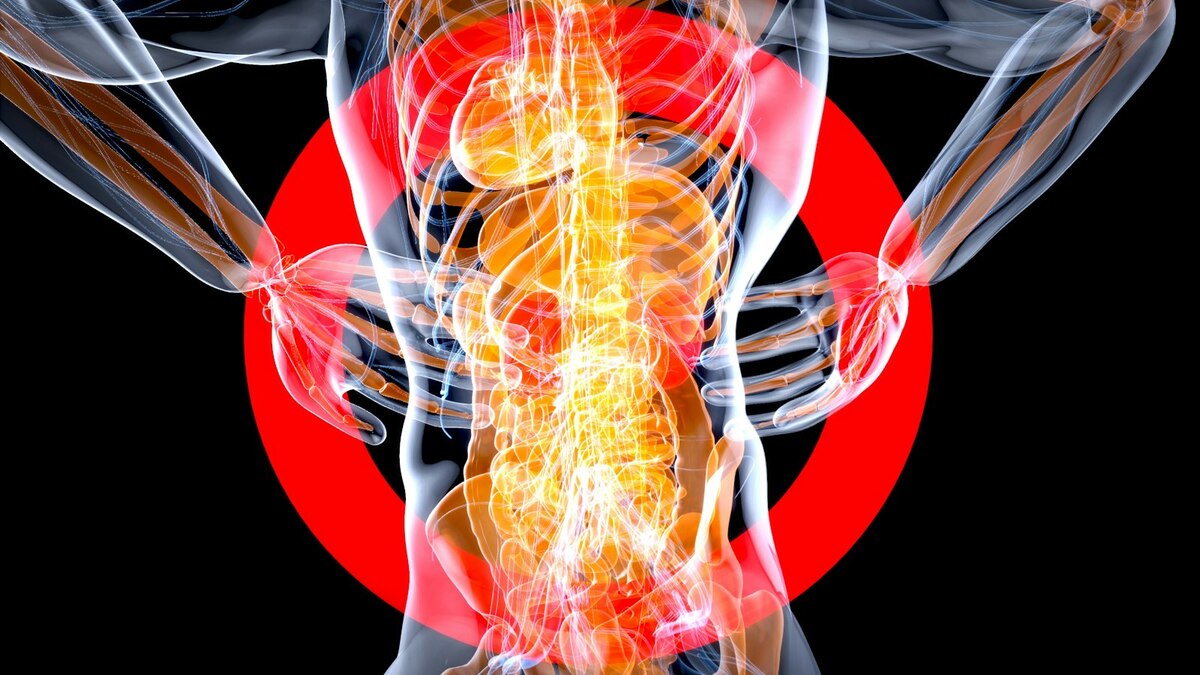
Looking Past the Imaging Report with SoftWave Therapy at Paramount Chiropractic in Westlake, OH
At Paramount Chiropractic, Dr. Greg Prybylski and his expert team help patients who were handed an MRI report full of alarming words — “degenerative,” “desiccation,” “bulge” — and left wondering whether their spine is falling apart. Using advanced SoftWave Tissue Regeneration Technology (TRT), this innovative, non-invasive approach targets the inflamed, guarded tissue that so often drives back pain. Discover what degenerative disc disease really means and why your imaging is only part of the story.
Understanding Degenerative Disc Disease
Despite the name, degenerative disc disease is not really a disease. It describes the normal age-related changes in the discs between your vertebrae: each disc’s gel-like center gradually loses water, the disc loses some height, and the tough outer rings can develop small fissures or bulge slightly. These changes are extraordinarily common in people with no pain at all. A large review of imaging studies in people without back pain found disc degeneration in more than a third of 20-year-olds and in the great majority of people over 60. In other words, imaging findings correlate poorly with pain. Two people can have nearly identical MRIs while one runs marathons and the other can barely get out of a chair. When back pain is present, it often comes from the surrounding structures — irritated facet joints, inflamed tissue, muscles locked in protective guarding, and a nervous system that has become sensitized — as much as from the disc itself.
Decoding Common MRI Terms
- Disc Desiccation: The disc has lost some water content — a normal feature of aging, much like graying hair.
- Disc Bulge: The disc extends slightly and evenly beyond its normal border; very common in people without pain.
- Annular Fissure or Tear: A small crack in the disc’s outer layer. It sounds dramatic, but it is also frequently found in pain-free people.
- Loss of Disc Height: The space between vertebrae has narrowed as the disc thins over time.
- What Actually Matters: Findings that match your symptoms, especially clear nerve compression that lines up with leg pain, numbness, or weakness.
The Traditional Route for Disc-Related Back Pain
Standard care includes anti-inflammatory medication and muscle relaxants, physical therapy, and, for persistent pain, epidural or facet joint injections and radiofrequency procedures. These can help, particularly when pain is severe enough to prevent movement. For back pain attributed to degenerated discs alone, some patients are offered spinal fusion. Surgery clearly has its place when there is instability or significant nerve compression, but outcomes for fusion done purely for disc-related back pain are mixed, and studies comparing it with structured, intensive rehabilitation have often found similar results. The larger problem with an imaging-first approach is that it can steer attention toward the disc while the tissue actually generating pain goes unaddressed.
Treating the Tissue Around the Disc with SoftWave Therapy
SoftWave TRT offers a non-surgical, non-injection, and drug-free option for back pain associated with degenerative disc changes. This advanced shock wave technology utilizes electrohydraulic supersonic acoustic waves traveling over 3,000 mph to stimulate a cascade of positive biological responses at the cellular level for healing, repair, and regeneration. SoftWave does not reverse aging of the disc; its role is to calm the surrounding inflamed, guarded tissue so you can move with confidence again.
Advanced Benefits of SoftWave TRT
- Decreases Pain and Inflammation: SoftWave therapy helps calm inflamed tissue around the disc and facet joints that drives daily back pain.
- Improves Blood Flow and Circulation: Through a process called angiogenesis, SoftWave TRT enhances circulation to the muscles and connective tissue supporting the spine.
- Reduces Protective Muscle Guarding: By easing chronically tight back muscles, SoftWave therapy helps restore normal, comfortable movement.
- Stimulates and Activates Resident Stem Cells: SoftWave TRT activates and moves resident stem cells, facilitating the repair and regeneration of damaged tissues.
If your MRI also shows a herniation pressing on a nerve, our article on healing disc herniations naturally with SoftWave therapy covers that situation in detail. To have your back and your imaging reviewed, book your SoftWave Discovery Day or call (440) 385-7726.
Living Well With a “Degenerative” Spine
The most important thing to know is that your back is not fragile. Adult discs have very little direct blood supply and rely on movement to exchange fluid and nutrients, so movement really is medicine. Walking is one of the best things you can do — start with short, frequent walks and build gradually, whether on a Metroparks trail or indoor laps once the weather turns. Add trunk and hip strengthening, such as bridges, bird dogs, and side planks, and change positions often rather than holding any one posture for hours. Be wary of fear-avoidance: people who stop bending, lifting, or exercising because they believe their spine is damaged tend to become stiffer, weaker, and more pain-sensitive, which feeds the cycle. Lifting and bending are safe to rebuild gradually. Sleep, stress, and mood influence back pain more than most people expect.
A few symptoms need emergency care: new loss of bladder or bowel control, numbness in the groin or inner thighs (“saddle” numbness), or rapidly progressing leg weakness can signal serious nerve compression. Back pain with fever, unexplained weight loss, a history of cancer, or a significant fall also warrants prompt medical evaluation.
The Science Behind SoftWave Tissue Regeneration Technology
SoftWave TRT is grounded in extensive scientific research and proven to modulate inflammation, promote angiogenesis, and activate resident stem cells for tissue repair. Key scientific concepts include:
- Modulation of Inflammation: SoftWave therapy helps regulate inflammatory responses, reducing pain and promoting healing.
- VEGF (Vascular Endothelial Growth Factor): SoftWave TRT stimulates the production of VEGF, enhancing blood vessel formation and improving circulation.
- eNOS (Endothelial Nitric Oxide Synthase): SoftWave technology promotes the production of eNOS, which helps improve blood flow and reduce inflammation.
- BMP (Bone Morphogenetic Proteins): SoftWave therapy stimulates the production of BMPs, which play a crucial role in bone and tissue regeneration.
- Angiogenesis: SoftWave TRT promotes the formation of new blood vessels, enhancing circulation and facilitating healing.
- PCNA (Proliferating Cell Nuclear Antigen): SoftWave technology increases the production of PCNA, essential for cell repair and regeneration.
- Toll-Like Receptors: SoftWave therapy activates toll-like receptors, helping regulate the immune response and promote healing.
- Activation and Migration of Resident Stem Cells: SoftWave TRT stimulates and activates resident stem cells, facilitating tissue repair and regeneration.
Dr. Greg: Treating People, Not MRI Reports
Dr. Greg Prybylski and his team at Paramount Chiropractic are leaders in using SoftWave TRT to help individuals with chronic back pain across Greater Cleveland. Through their expertise, many patients have stopped fearing their own spine and returned to walking, lifting, and living actively once the painful tissue was addressed. Dr. Greg and his team are committed to treating the person in front of them, not just the pictures.
Take the First Step Towards Natural Healing Today
If an MRI report has left you more worried than informed, let us help you understand what it means and what you can do about it. Request an appointment with Dr. Greg Prybylski and the team at Paramount Chiropractic to experience the advanced benefits of SoftWave TRT. Contact us today or call us at (440) 385-7726. For more information, visit our main website.
SoftWave TRT offers hope and healing for those seeking an advanced, non-invasive approach to disc-related back pain. By choosing Paramount Chiropractic, you are opting for a technology that treats the tissue causing your pain rather than the words on your report. Don’t wait – schedule your appointment today and start your journey to improved health and well-being.
‹ Back
Recent Posts
-
Inner Knee Pain Below the Joint? It Could Be Pes Anserine Bursitis
November 7, 2026
-
Does SoftWave Therapy Hurt? What a Session Really Feels Like
November 4, 2026
-

-
Degenerative Disc Disease: What Your MRI Report Doesn't Tell You
October 28, 2026
-

Collapsing Arch, Aching Ankle: Posterior Tibial Tendon Dysfunction
October 25, 2026

 23760 Center Ridge Rd