
Blog
Does SoftWave Therapy Hurt? What a Session Really Feels Like
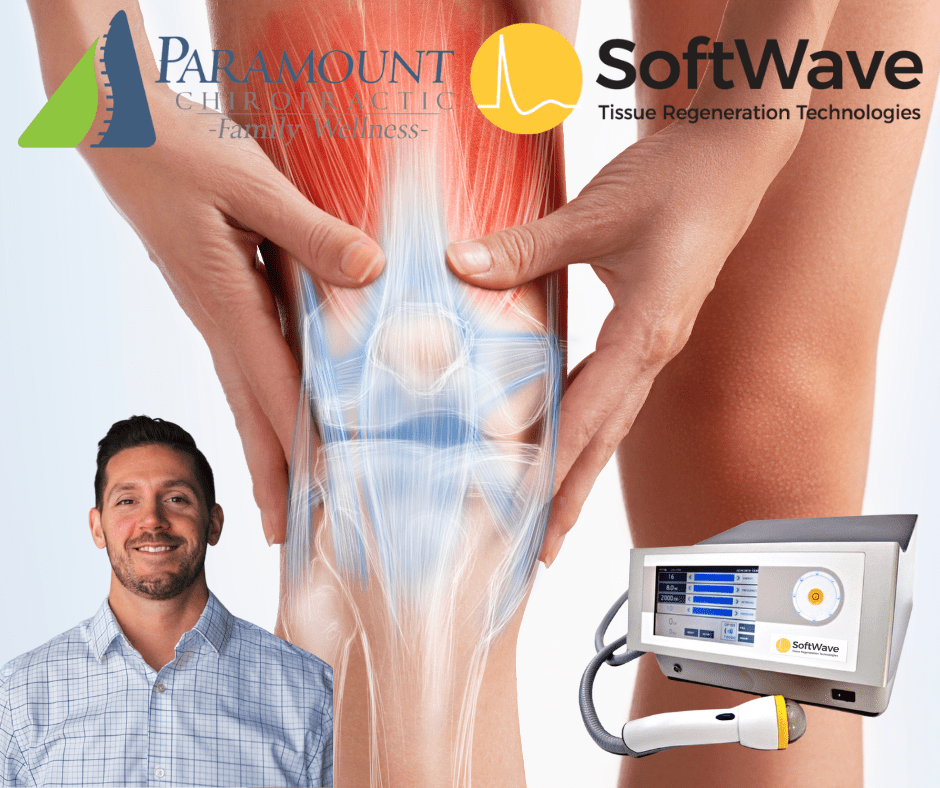
What a SoftWave Session Really Feels Like — Straight Answers from Paramount Chiropractic, Westlake, OH
At Paramount Chiropractic, Dr. Greg Prybylski and his expert team believe patients should know exactly what to expect before they ever lie down on the table. One of the first questions we hear about advanced SoftWave Tissue Regeneration Technology (TRT) is simple: does it hurt? This innovative, non-invasive treatment involves no needles, no anesthesia, and no incisions — but it is not nothing, either. Discover what a session actually feels like, why some spots feel stronger than others, and what is normal afterward.
Understanding What You Feel During a SoftWave Session
During treatment, a handheld applicator is placed against your skin with a layer of gel, much like an ultrasound exam. Each pulse sends an acoustic wave into the tissue, and you will hear a steady clicking or snapping sound from the applicator as it works. What you feel is a rhythmic tapping or pulsing sensation that moves as the applicator moves. Most patients describe it as very tolerable — noticeable and sometimes intense over a sore spot, but not the sharp pain many people brace for. Intensity can be adjusted during the session, and your provider will check in with you as they work. Sessions are quick, typically well under half an hour, and there is nothing to recover from before you drive home.
Why Tender Spots Can Feel More Intense
- Sensitized Tissue: Chronically irritated tissue develops lowered pain thresholds, so the same pulse registers more strongly over the injured area than over healthy tissue nearby.
- Thin Tissue Over Bone: Areas like the heel, the outer elbow, or the kneecap have little padding, so the sensation reads louder there.
- Thickened or Calcified Tissue: Scarred, fibrotic, or calcified areas often feel distinctly different from the surrounding tissue.
- It Can Guide Treatment: That heightened sensitivity helps your provider pinpoint which tissue is actually involved.
- It Often Eases as You Go: Many patients notice the sensation becoming less intense over the course of a session.
- It Often Changes Over Time: As tissue calms down, the same spot frequently feels less tender at later visits.
How It Compares to the Injection Experience
For comparison, a cortisone injection involves a needle placed into or near the painful structure, sometimes mixed with a local anesthetic. Some people experience a temporary “flare” of increased pain for a day or two afterward, and many are advised to rest the area. PRP injections add a blood draw and commonly involve several days of post-injection soreness with activity restrictions. Surgery, when it is truly needed, means anesthesia, an incision, and weeks to months of recovery. Each of these has a legitimate place in medicine. But for people who dread needles or cannot afford downtime, the experience itself is often what keeps them from getting a problem treated at all.
A Comfortable, Drug-Free Path to Healing
SoftWave TRT offers a non-surgical, non-injection, and drug-free option for people who want to treat the source of their pain without needles or recovery time. This advanced shock wave technology utilizes electrohydraulic supersonic acoustic waves traveling over 3,000 mph to stimulate a cascade of positive biological responses at the cellular level for healing, repair, and regeneration.
Advanced Benefits of SoftWave TRT
- Decreases Pain and Inflammation: SoftWave therapy helps calm the inflammation behind chronic pain, and many patients notice relief building over their course of care.
- Improves Blood Flow and Circulation: Through a process called angiogenesis, SoftWave TRT enhances circulation to tissue that heals slowly on its own.
- Fits Into Your Day: With no anesthesia and no downtime, most patients return to their normal activities the same day.
- Stimulates and Activates Resident Stem Cells: SoftWave TRT activates and moves resident stem cells, facilitating the repair and regeneration of damaged tissues.
For a step-by-step look at your very first appointment, read what to expect during your SoftWave Discovery Day. To feel it for yourself, book your SoftWave Discovery Day or call (440) 385-7726.
Tips for Your First Session — and What Is Normal Afterward
Speak up. The intensity and pace can be adjusted, and your feedback is part of the process, not a complaint. Dress for access — shorts for a knee or hip, a tank top or loose sleeve for a shoulder or elbow. Tell us your full history, including pregnancy, a pacemaker, blood thinners or a bleeding disorder, and any history of cancer, since these affect whether and where SoftWave can be used. Ask about anti-inflammatories; because SoftWave works with your body’s healing response, we may discuss routine over-the-counter NSAID use during care — but never stop a prescribed medication without talking to your physician. Afterward, mild soreness or tenderness for a day or so is possible, often described as feeling like you worked out. Occasional mild redness over the treated area can occur and typically fades quickly. Call us if you notice significant swelling, bruising, or pain that is increasing rather than settling after a couple of days.
The Science Behind SoftWave Tissue Regeneration Technology
SoftWave TRT is grounded in extensive scientific research and proven to modulate inflammation, promote angiogenesis, and activate resident stem cells for tissue repair. Key scientific concepts include:
- Modulation of Inflammation: SoftWave therapy helps regulate inflammatory responses, reducing pain and promoting healing.
- VEGF (Vascular Endothelial Growth Factor): SoftWave TRT stimulates the production of VEGF, enhancing blood vessel formation and improving circulation.
- eNOS (Endothelial Nitric Oxide Synthase): SoftWave technology promotes the production of eNOS, which helps improve blood flow and reduce inflammation.
- BMP (Bone Morphogenetic Proteins): SoftWave therapy stimulates the production of BMPs, which play a crucial role in bone and tissue regeneration.
- Angiogenesis: SoftWave TRT promotes the formation of new blood vessels, enhancing circulation and facilitating healing.
- PCNA (Proliferating Cell Nuclear Antigen): SoftWave technology increases the production of PCNA, essential for cell repair and regeneration.
- Toll-Like Receptors: SoftWave therapy activates toll-like receptors, helping regulate the immune response and promote healing.
- Activation and Migration of Resident Stem Cells: SoftWave TRT stimulates and activates resident stem cells, facilitating tissue repair and regeneration.
Dr. Greg: No Surprises, Just Straight Answers
Dr. Greg Prybylski and his team at Paramount Chiropractic are leaders in using SoftWave TRT to help individuals who have been hesitant to pursue treatment. Through their expertise, many patients who walked in nervous about discomfort have left their first session surprised at how manageable it was. Dr. Greg and his team are committed to explaining every step and keeping you comfortable throughout your care.
Take the First Step Towards Natural Healing Today
If worry about discomfort has kept you from exploring treatment, come see how a session actually feels. Request an appointment with Dr. Greg Prybylski and the team at Paramount Chiropractic to experience the advanced benefits of SoftWave TRT. Contact us today or call us at (440) 385-7726. For more information, visit our main website.
SoftWave TRT offers hope and healing for those seeking an advanced, non-invasive approach to pain without needles, medication, or downtime. By choosing Paramount Chiropractic, you are opting for a technology that works with your body’s own repair process and fits easily into your week. Don’t wait – schedule your appointment today and start your journey to improved health and well-being.
‹ Back
Recent Posts
-
Inner Knee Pain Below the Joint? It Could Be Pes Anserine Bursitis
November 7, 2026
-
Does SoftWave Therapy Hurt? What a Session Really Feels Like
November 4, 2026
-

-
Degenerative Disc Disease: What Your MRI Report Doesn't Tell You
October 28, 2026
-
Collapsing Arch, Aching Ankle: Posterior Tibial Tendon Dysfunction
October 25, 2026

 23760 Center Ridge Rd