


Blog
Inner Knee Pain Below the Joint? It Could Be Pes Anserine Bursitis
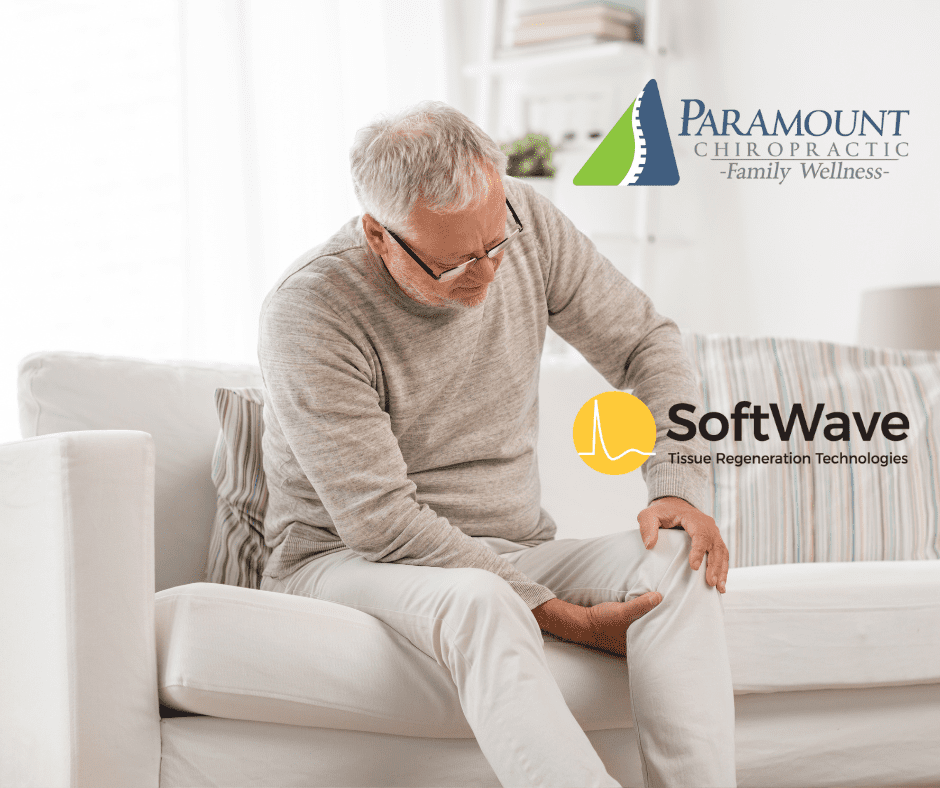
Calming Inner Knee Pain Naturally — SoftWave TRT at Paramount Chiropractic, Westlake, OH
At Paramount Chiropractic, Dr. Greg Prybylski and his expert team help patients track down that sore spot on the inside of the knee — the one that hurts on the stairs and aches at night — using advanced SoftWave Tissue Regeneration Technology (TRT). This innovative, non-invasive approach treats the irritated tendons and bursa directly, without injections or medication. Discover why inner knee pain below the joint is so often misread, and how SoftWave TRT can help it settle.
Understanding Pes Anserine Bursitis
“Pes anserinus” is Latin for “goose’s foot,” named for the way three tendons — the sartorius, gracilis, and semitendinosus — fan out and attach together on the inner surface of the shinbone, roughly two to three inches below the knee joint line. A small, fluid-filled sac called the pes anserine bursa sits between those tendons and the bone to reduce friction. When the tendons or bursa become irritated, the result is a tender, aching spot on the inner shin just below the knee. Many clinicians now use the broader term “pes anserine pain syndrome,” because the tendons are often as involved as the bursa, and imaging frequently shows little or no bursal swelling even when the area is very sore.
Who Develops Pes Anserine Pain?
- People with Knee Osteoarthritis: The two frequently travel together, especially when arthritis affects the inner side of the knee.
- Women: A wider pelvis and greater inward knee angle place more stress on the inner knee.
- Excess Body Weight: More load through the knee means more tension at the tendon attachment.
- Runners and Cyclists: Mileage spikes, hill work, and tight hamstrings are common triggers.
- Diabetes: A recognized association, particularly in patients who also have knee arthritis.
- Knock-Knee Alignment and Flat Feet: Both increase the inward stress the pes anserine tendons have to resist.
The Telltale Signs
- A Precise Tender Spot: Pressing on the inner shin two to three inches below the joint reproduces the pain.
- Stair Trouble: Climbing stairs is often the most provocative daily activity.
- Rising from a Chair: Pain as you push up from sitting, especially from low seats.
- Night Pain When the Knees Touch: Side sleepers feel it when one knee rests on the other.
- Localized Swelling: Sometimes a soft, puffy area over the tender spot.
The Traditional Route for Inner Knee Pain
Standard care usually starts with rest, ice, and anti-inflammatory medication, followed by physical therapy focused on hamstring and adductor flexibility and quadriceps and hip strength. When pain persists, a corticosteroid injection into the pes anserine region is a common next step and often provides short-term relief. The limitation is that the underlying contributors — knee arthritis, alignment, body weight, and weak supporting muscles — are still there when the injection wears off, and a cortisone shot does nothing to improve the quality of the tendon tissue itself. That is why many people find the pain returning weeks or months later.
Treating the Tendons and Bursa with SoftWave Therapy
SoftWave TRT offers a non-surgical, non-injection, and drug-free option for the irritated tendons and bursa on the inner knee. This advanced shock wave technology utilizes electrohydraulic supersonic acoustic waves traveling over 3,000 mph to stimulate a cascade of positive biological responses at the cellular level for healing, repair, and regeneration.
Advanced Benefits of SoftWave TRT
- Decreases Pain and Inflammation: SoftWave therapy helps calm the irritated bursa and tendon attachment that make stairs and chairs painful.
- Improves Blood Flow and Circulation: Through a process called angiogenesis, SoftWave TRT enhances circulation to the tendon insertion, an area that heals slowly on its own.
- Supports Healthy Tendon Remodeling: SoftWave therapy promotes healthier, more organized tendon tissue rather than simply masking symptoms.
- Stimulates and Activates Resident Stem Cells: SoftWave TRT activates and moves resident stem cells, facilitating the repair and regeneration of damaged tissues.
Because pes anserine pain so often rides along with arthritis, our article on a real alternative to knee replacement for bone-on-bone arthritis may also be helpful. To find out what is really behind your inner knee pain, book your SoftWave Discovery Day or call (440) 385-7726.
Is It Pes Anserine, a Meniscus Tear, or Arthritis?
These three are easily confused, and they can coexist. Pes anserine pain sits below the joint line on the shinbone. A medial meniscus tear usually hurts right at the joint line, often after a twisting injury, and may cause catching, locking, or the knee giving way. Arthritis pain also centers on the joint itself, with morning stiffness and grinding. At home, a pillow between the knees at night takes pressure off the tender spot. Keep the hamstrings and inner thighs gently flexible, and strengthen the quadriceps and hip muscles so the tendons are not doing all the stabilizing. On stairs, lead with the good leg going up and the sore leg going down. Avoid deep squats and crossing your legs for a while, check your bike seat height, and remember that even modest weight loss meaningfully reduces the load on the knee with every step. See a physician promptly for a knee that locks or gives way, swelling of the whole joint, a warm red area with fever, or new calf swelling and pain, which should be checked for a blood clot.
The Science Behind SoftWave Tissue Regeneration Technology
SoftWave TRT is grounded in extensive scientific research and proven to modulate inflammation, promote angiogenesis, and activate resident stem cells for tissue repair. Key scientific concepts include:
- Modulation of Inflammation: SoftWave therapy helps regulate inflammatory responses, reducing pain and promoting healing.
- VEGF (Vascular Endothelial Growth Factor): SoftWave TRT stimulates the production of VEGF, enhancing blood vessel formation and improving circulation.
- eNOS (Endothelial Nitric Oxide Synthase): SoftWave technology promotes the production of eNOS, which helps improve blood flow and reduce inflammation.
- BMP (Bone Morphogenetic Proteins): SoftWave therapy stimulates the production of BMPs, which play a crucial role in bone and tissue regeneration.
- Angiogenesis: SoftWave TRT promotes the formation of new blood vessels, enhancing circulation and facilitating healing.
- PCNA (Proliferating Cell Nuclear Antigen): SoftWave technology increases the production of PCNA, essential for cell repair and regeneration.
- Toll-Like Receptors: SoftWave therapy activates toll-like receptors, helping regulate the immune response and promote healing.
- Activation and Migration of Resident Stem Cells: SoftWave TRT stimulates and activates resident stem cells, facilitating tissue repair and regeneration.
Dr. Greg: Pinpointing the Real Source of Knee Pain
Dr. Greg Prybylski and his team at Paramount Chiropractic are leaders in using SoftWave TRT to help individuals with knee pain that has been hard to pin down. Through their expertise, many patients have learned that the pain they blamed on arthritis was coming from irritated tendons that could be treated directly. Dr. Greg and his team are committed to a careful evaluation first and natural healing second.
Take the First Step Towards Natural Healing Today
If a sore spot on the inside of your knee is making stairs, chairs, and sleep harder than they should be, have it properly evaluated. Request an appointment with Dr. Greg Prybylski and the team at Paramount Chiropractic to experience the advanced benefits of SoftWave TRT. Contact us today or call us at (440) 385-7726. For more information, visit our main website.
SoftWave TRT offers hope and healing for those seeking an advanced, non-invasive approach to inner knee pain. By choosing Paramount Chiropractic, you are opting for a technology that treats the irritated tendon itself instead of quieting it for a few weeks. Don’t wait – schedule your appointment today and start your journey to improved health and well-being.
‹ Back
Recent Posts
-
Inner Knee Pain Below the Joint? It Could Be Pes Anserine Bursitis
November 7, 2026
-
Does SoftWave Therapy Hurt? What a Session Really Feels Like
November 4, 2026
-

-
Degenerative Disc Disease: What Your MRI Report Doesn't Tell You
October 28, 2026
-
Collapsing Arch, Aching Ankle: Posterior Tibial Tendon Dysfunction
October 25, 2026

 23760 Center Ridge Rd