
Blog
Why Chronic Tendon Pain Doesn't Heal On Its Own
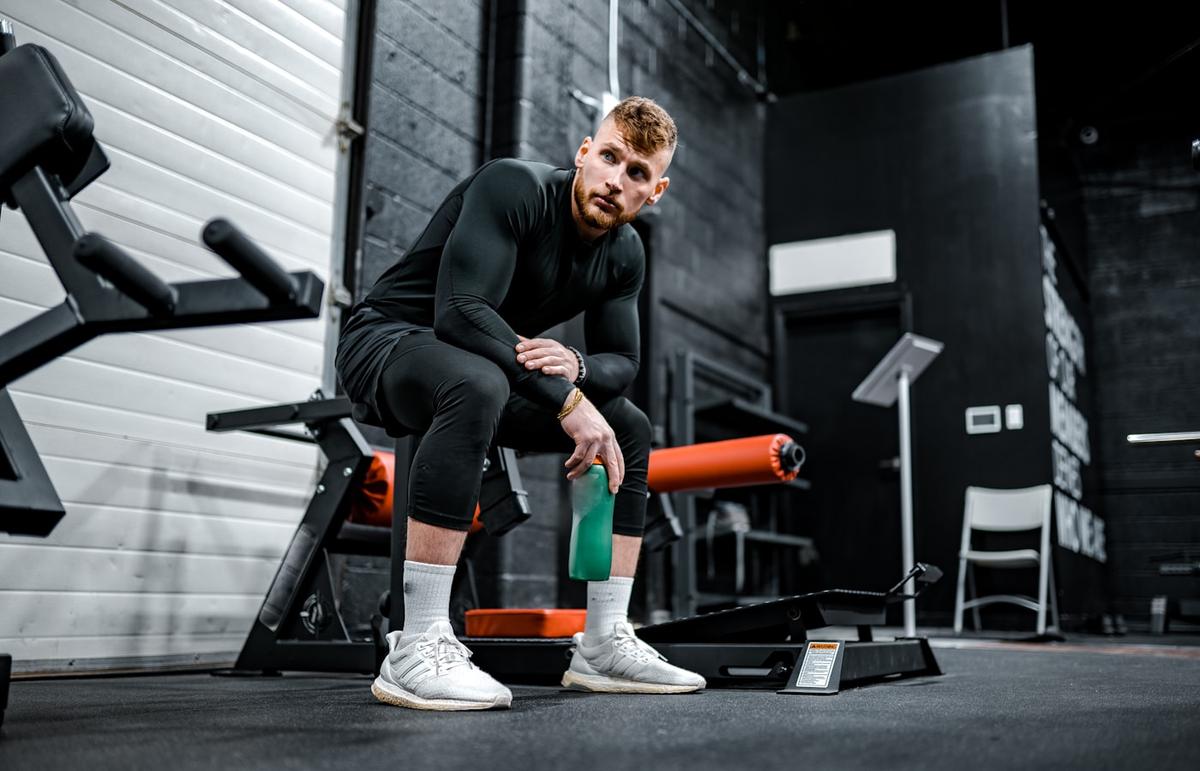
Understanding Tendinosis and Restarting Repair with SoftWave Therapy at Paramount Chiropractic in Westlake, OH
At Paramount Chiropractic, Dr. Greg Prybylski and his expert team help patients break out of tendon pain that has lasted months or years, using advanced SoftWave Tissue Regeneration Technology (TRT). This innovative, non-invasive approach addresses the underlying biology of a stalled tendon rather than simply quieting the symptoms. Discover why rest alone so rarely fixes chronic tendon pain — and what does.
Tendinitis vs. Tendinosis: The Distinction That Changes Everything
Most people call any tendon pain “tendinitis,” and for the first few weeks that label is often accurate: -itis means inflammation, and a freshly overloaded tendon is genuinely inflamed. But when tendon pain persists beyond about six to twelve weeks, researchers looking at the tissue under a microscope find something different. The classic signs of acute inflammation are largely gone. In their place is tendinosis — disorganized collagen fibers, an accumulation of ground substance, ingrowth of new blood vessels and nerve endings, and cells that have essentially given up on completing the repair. The tendon is not inflamed. It is degenerated and stalled.
Why the Body Struggles to Finish the Job
- Poor Blood Supply: Tendons are far less vascular than muscle, so the cells and signals needed for repair arrive slowly.
- Watershed Zones: Areas like the mid-Achilles and the supraspinatus have particularly sparse circulation — and that is exactly where chronic tendon problems cluster.
- Repeated Micro-Loading: Daily use keeps reintroducing small insults before repair can complete.
- An Absent Healing Signal: Without ongoing inflammatory signaling, the body never issues the “repair this” instruction that would recruit healing cells.
- Age and Metabolic Factors: Diabetes, thyroid disease, high cholesterol, certain medications, and age all slow tendon turnover.
Where Chronic Tendon Pain Shows Up Most
- Achilles Tendon: Morning stiffness and a thickened, tender area a few inches above the heel.
- Elbow: Tennis elbow and golfer’s elbow that flare with gripping.
- Rotator Cuff: Shoulder pain with overhead reaching and at night.
- Patellar Tendon: Jumper’s knee pain right below the kneecap.
- Plantar Fascia: Sharp first-step-in-the-morning heel pain.
- Gluteal Tendons: Outer hip pain that hurts when lying on that side.
Why the Standard Playbook Often Falls Short
The conventional approach to tendon pain — rest, ice, and anti-inflammatory medication — is aimed squarely at inflammation. That is appropriate in the first couple of weeks. But once a tendon has crossed into tendinosis, anti-inflammatories are targeting a process that has largely already ended, and prolonged rest can actually make things worse by allowing the tendon to weaken further. Corticosteroid injections are particularly worth understanding here: they frequently provide impressive short-term relief, but studies of chronic tendinopathy have found that recurrence rates at six and twelve months can be higher than with no injection at all, and repeated steroid exposure is associated with tendon weakening. The tendon feels better before it is better — which invites the very loading that causes rupture.
Restarting the Healing Response with SoftWave Therapy
SoftWave TRT offers a non-surgical, non-injection, and drug-free approach that targets exactly the problem a chronic tendon has: a repair process that never finished. This advanced shock wave technology utilizes electrohydraulic supersonic acoustic waves traveling over 3,000 mph to stimulate a cascade of positive biological responses at the cellular level for healing, repair, and regeneration. In effect, it delivers a controlled mechanical signal that tells a dormant tendon to begin healing again.
Advanced Benefits of SoftWave TRT
- Decreases Pain and Inflammation: SoftWave therapy helps regulate the pain signaling and low-grade inflammation in degenerated tendon tissue.
- Improves Blood Flow and Circulation: Through a process called angiogenesis, SoftWave TRT builds new circulation into tissue that was poorly supplied to begin with — addressing the root of the problem.
- Improves Mobility and Function: By supporting healthy collagen remodeling, SoftWave therapy helps restore a tendon that tolerates load again.
- Stimulates and Activates Resident Stem Cells: SoftWave TRT activates and moves resident stem cells, facilitating the repair and regeneration of damaged tissues.
For the full explanation of how this technology works, start with our overview of the science behind SoftWave Tissue Regeneration Technology. To find out whether your stubborn tendon is a good candidate, book your SoftWave Discovery Day or call (440) 385-7726.
Why Loading Still Matters
Healing a chronic tendon is not passive. Tendon tissue responds to mechanical demand — it organizes new collagen along the lines of stress it experiences. That means the most durable outcomes come from combining SoftWave therapy, which restores the tendon’s capacity to heal, with progressive loading that teaches the new tissue how to carry force. Dr. Greg builds both sides into your care plan: therapy to restart the biology, and a graded return to activity so the tendon rebuilds in a way that holds up. Skipping the loading half is one of the most common reasons tendon pain comes back.
The Science Behind SoftWave Tissue Regeneration Technology
SoftWave TRT is grounded in extensive scientific research and proven to modulate inflammation, promote angiogenesis, and activate resident stem cells for tissue repair. Key scientific concepts include:
- Modulation of Inflammation: SoftWave therapy helps regulate inflammatory responses, reducing pain and promoting healing.
- VEGF (Vascular Endothelial Growth Factor): SoftWave TRT stimulates the production of VEGF, enhancing blood vessel formation and improving circulation.
- eNOS (Endothelial Nitric Oxide Synthase): SoftWave technology promotes the production of eNOS, which helps improve blood flow and reduce inflammation.
- BMP (Bone Morphogenetic Proteins): SoftWave therapy stimulates the production of BMPs, which play a crucial role in bone and tissue regeneration.
- Angiogenesis: SoftWave TRT promotes the formation of new blood vessels, enhancing circulation and facilitating healing.
- PCNA (Proliferating Cell Nuclear Antigen): SoftWave technology increases the production of PCNA, essential for cell repair and regeneration.
- Toll-Like Receptors: SoftWave therapy activates toll-like receptors, helping regulate the immune response and promote healing.
- Activation and Migration of Resident Stem Cells: SoftWave TRT stimulates and activates resident stem cells, facilitating tissue repair and regeneration.
Dr. Greg: A Pioneer in SoftWave Therapy for Tendon Pain
Dr. Greg Prybylski and his team at Paramount Chiropractic are leaders in using SoftWave TRT to help individuals whose tendon pain has resisted everything else. Through their expertise, many patients who had been told to simply live with it have returned to training, working, and moving without pain. Dr. Greg and his team are committed to addressing the cause, not just the symptom.
Take the First Step Towards Natural Healing Today
If a tendon has hurt for months and nothing has changed it, consider SoftWave TRT. Request an appointment with Dr. Greg Prybylski and the team at Paramount Chiropractic to experience the advanced benefits of SoftWave TRT. Contact us today or call us at (440) 385-7726. For more information, visit our main website.
SoftWave TRT offers hope and healing for those seeking an advanced, non-invasive approach to chronic tendon pain. By choosing Paramount Chiropractic, you are opting for a technology that targets the root causes of your pain and promotes lasting recovery. Don’t wait – schedule your appointment today and start your journey to improved health and well-being.
‹ Back
Recent Posts
-
Costochondritis: When Chest Wall Pain Isn't Your Heart
September 19, 2026
-
De Quervain's Tenosynovitis: Thumb-Side Wrist Pain That Won't Quit
September 16, 2026
-
Cortisone Shot Wearing Off Faster Each Time? Here's Why
September 13, 2026
-

Snapping Hip Syndrome: What That Click and Catch Really Means
September 10, 2026
-
Slow-Healing Wounds & Diabetic Foot Ulcers: An FDA-Cleared Option
September 7, 2026

 23760 Center Ridge Rd