
Blog
Turf Toe: The Football Injury That Lingers Long After the Whistle
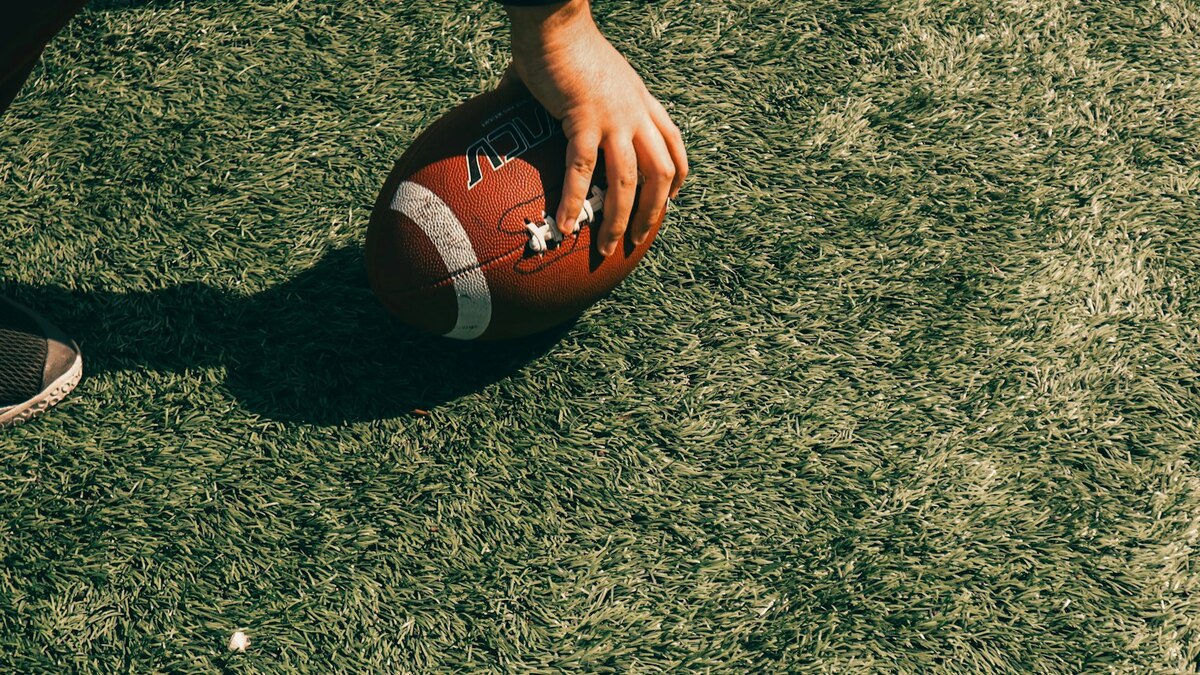
Turf Toe Recovery for Northeast Ohio Athletes at Paramount Chiropractic in Westlake, OH
At Paramount Chiropractic, Dr. Greg Prybylski and his expert team help football players, soccer players, and weekend athletes recover from turf toe — the big toe injury that sounds minor and can quietly nag for months. With advanced SoftWave Tissue Regeneration Technology (TRT), this innovative, non-invasive approach supports healing in the ligaments and joint capsule at the base of the big toe. Discover how SoftWave TRT can help you push off with confidence again.
Understanding Turf Toe
Turf toe is a sprain of the big toe’s main joint, the first metatarsophalangeal (MTP) joint, where the toe meets the foot. The classic mechanism is forced hyperextension: a player is up on the ball of the foot with the toe planted, and the heel is driven forward — often by another player landing on the back of the leg — bending the toe upward far past its normal range. That stretches or tears the plantar plate, the thick fibrous band on the underside of the joint, along with the capsule and ligaments that hold the two small sesamoid bones in place. The name comes from artificial turf, which grips cleats aggressively, and flexible, lightweight shoes that allow the forefoot to bend too far. It is a familiar injury from Friday night high school games across Northeast Ohio to Browns Sundays, and it also happens in soccer, basketball, and dance.
How Turf Toe Is Graded
- Grade 1: The plantar plate and capsule are stretched. Tenderness and mild swelling, but most athletes can still bear weight and move the toe.
- Grade 2: A partial tear. More swelling, bruising under the ball of the foot, limited toe motion, and a noticeable limp; recovery usually means weeks away from full play.
- Grade 3: A complete tear of the plantar plate, sometimes with sesamoid injury or joint instability. Severe pain, significant bruising, and an inability to push off — recovery can take months.
- Why It Lingers: Every step, sprint, and cut loads the big toe during push-off, so the tissue is stressed constantly while it tries to heal.
- Long-Term Consequences: Poorly healed turf toe can leave lasting stiffness, weak push-off, and in some cases early arthritis of the big toe joint, known as hallux rigidus.
The Traditional Route for Turf Toe
Most turf toe injuries are managed without surgery. Early care includes ice, elevation, and rest from running and cutting, followed by taping that limits how far the toe can bend upward. Many athletes return in a stiff-soled shoe or with a rigid carbon-fiber insert, and more significant sprains are protected in a walking boot for a period of time. Surgery is reserved for severe plantar plate tears, sesamoid fractures or separation, and joint instability. The honest limitation of conservative care is that it protects the toe but does little to actively improve the healing environment — and in-season athletes are notorious for returning before the tissue is ready, which is exactly how a two-week sprain becomes a season-long problem.
Supporting Big Toe Healing with SoftWave Therapy
SoftWave TRT offers a non-surgical, non-injection, and drug-free option for lingering turf toe pain and stiffness. This advanced shock wave technology utilizes electrohydraulic supersonic acoustic waves traveling over 3,000 mph to stimulate a cascade of positive biological responses at the cellular level for healing, repair, and regeneration. For grade 1 and 2 sprains, and for turf toe that never fully settled, it gives the damaged capsule and plantar plate a better chance to heal well.
Advanced Benefits of SoftWave TRT
- Decreases Pain and Inflammation: SoftWave therapy helps calm the swelling and tenderness at the base of the big toe that make push-off painful.
- Improves Blood Flow and Circulation: Through a process called angiogenesis, SoftWave TRT enhances circulation to ligament and capsule tissue that has a limited blood supply.
- Restores Motion and Push-Off: By supporting healthier tissue remodeling, SoftWave therapy helps the joint regain the flexibility and strength needed to sprint and cut.
- Stimulates and Activates Resident Stem Cells: SoftWave TRT activates and moves resident stem cells, facilitating the repair and regeneration of damaged tissues.
Parents of high school players will find more in our guide to keeping your young athlete on the field during fall sports season. To get a stubborn big toe evaluated, book your SoftWave Discovery Day or call (440) 385-7726.
Returning to Play Without Re-Injuring the Toe
The biggest mistake with turf toe is judging readiness by how the toe feels while walking around the house. Push-off is what matters, so return in steps and only move forward when each one is pain-free: walking normally without a limp, then a single-leg heel raise on the injured side, then light jogging, then sprinting, and finally cutting and pushing off from a stance. If a step hurts, go back one. Keep taping the toe or wearing a stiff forefoot insert for the rest of the season, and look at footwear — cleats that fold easily at the forefoot are part of the problem, so choose a stiffer pair or add a turf plate. Resist the temptation to play through it on pain relievers or an injection before a big game; masking the pain on a partially torn plantar plate is how grade 2 injuries become grade 3. Just as important, know when this is not a job for conservative care. Get imaging and an orthopedic or foot-and-ankle evaluation if you cannot bear weight, if the big toe looks crooked or drifts, if bruising under the ball of the foot is significant, if the toe feels unstable, or if pain is not clearly improving after a couple of weeks. Grade 3 tears and sesamoid fractures often do better with timely surgical repair, and we will tell you when that is the right call.
The Science Behind SoftWave Tissue Regeneration Technology
SoftWave TRT is grounded in extensive scientific research and proven to modulate inflammation, promote angiogenesis, and activate resident stem cells for tissue repair. Key scientific concepts include:
- Modulation of Inflammation: SoftWave therapy helps regulate inflammatory responses, reducing pain and promoting healing.
- VEGF (Vascular Endothelial Growth Factor): SoftWave TRT stimulates the production of VEGF, enhancing blood vessel formation and improving circulation.
- eNOS (Endothelial Nitric Oxide Synthase): SoftWave technology promotes the production of eNOS, which helps improve blood flow and reduce inflammation.
- BMP (Bone Morphogenetic Proteins): SoftWave therapy stimulates the production of BMPs, which play a crucial role in bone and tissue regeneration.
- Angiogenesis: SoftWave TRT promotes the formation of new blood vessels, enhancing circulation and facilitating healing.
- PCNA (Proliferating Cell Nuclear Antigen): SoftWave technology increases the production of PCNA, essential for cell repair and regeneration.
- Toll-Like Receptors: SoftWave therapy activates toll-like receptors, helping regulate the immune response and promote healing.
- Activation and Migration of Resident Stem Cells: SoftWave TRT stimulates and activates resident stem cells, facilitating tissue repair and regeneration.
Dr. Greg: Keeping Athletes Pushing Off With Confidence
Dr. Greg Prybylski and his team at Paramount Chiropractic are leaders in using SoftWave TRT to help athletes of every age recover from foot and ankle injuries. Through their expertise, many patients have gotten back to sprinting, cutting, and finishing their seasons with a big toe that finally stopped complaining. Dr. Greg and his team are committed to a smart, honest return to play — not just a fast one.
Take the First Step Towards Natural Healing Today
If a turf toe from weeks ago still flares every time you push off, it is time to give that joint a real chance to heal. Request an appointment with Dr. Greg Prybylski and the team at Paramount Chiropractic to experience the advanced benefits of SoftWave TRT. Contact us today or call us at (440) 385-7726. For more information, visit our main website.
SoftWave TRT offers hope and healing for those seeking an advanced, non-invasive approach to turf toe and forefoot sprains. By choosing Paramount Chiropractic, you are opting for a technology that helps injured tissue heal stronger so you can stay in the game. Don’t wait – schedule your appointment today and start your journey to improved health and well-being.
‹ Back
Recent Posts
-
Numb Pinky and Ring Finger? Cubital Tunnel Syndrome Explained
October 16, 2026
-
How Many SoftWave Sessions Will I Actually Need?
October 13, 2026
-
-
-
 23760 Center Ridge Rd