


Blog
Pain Behind the Kneecap? What Patellofemoral Pain Syndrome Is Telling You
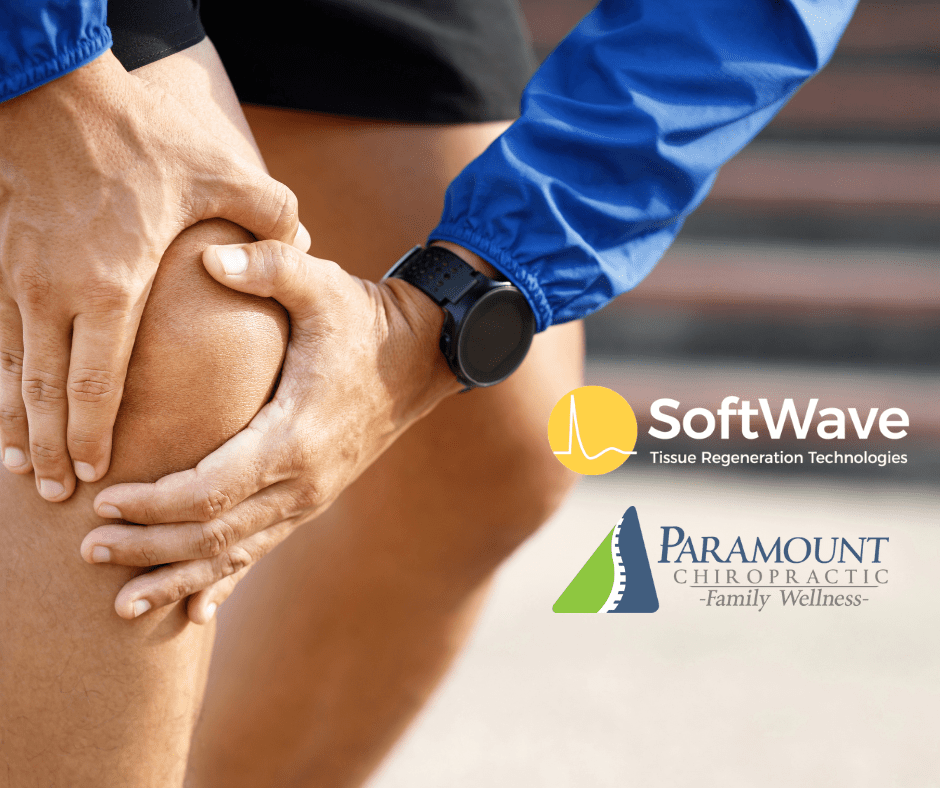
Getting to the Bottom of Kneecap Pain at Paramount Chiropractic in Westlake, OH
At Paramount Chiropractic, Dr. Greg Prybylski and his expert team help runners, teenagers, and everyday movers whose knees ache on the stairs, in a squat, or after a long movie. Using advanced SoftWave Tissue Regeneration Technology (TRT), this innovative, non-invasive approach calms the irritated tissue around the kneecap while we work on the mechanics that overloaded it in the first place. Discover how SoftWave TRT can help you climb, squat, and run without that dull ache behind the kneecap.
Understanding Patellofemoral Pain Syndrome
Patellofemoral pain syndrome (PFPS), often called runner’s knee, is pain around or behind the kneecap where it glides in a groove at the end of the thigh bone. Every time the knee bends under load, the quadriceps press the kneecap into that groove, and the deeper the bend, the higher the pressure. That is why the classic aggravators are stairs (especially going down), squatting, kneeling, running downhill, and the “theater sign” — an ache that builds after sitting with the knees bent through a movie, a flight, or a long drive. Importantly, PFPS is usually a load-sensitivity problem rather than structural damage. X-rays and MRIs are often normal. The joint and surrounding tissue have simply been asked to handle more than they were prepared for, and they have become irritated and protective.
What Overloads the Kneecap
- Hip and Glute Weakness: When the hip muscles cannot control the thigh, it rotates inward and the knee drifts toward the midline, changing how the kneecap tracks.
- Quadriceps Weakness or Imbalance: The quads are the kneecap’s primary support, and weakness — often after a period of inactivity or injury — leaves the joint poorly controlled.
- Training Load Spikes: A sudden jump in mileage, hill work, stair workouts, or a new squat-heavy program is the most common trigger we see.
- Foot Mechanics: Excessive flattening of the arch can drive the shin and thigh inward, adding stress up the chain.
- Tight Surrounding Tissue: Stiff quads, hamstrings, calves, and the outer thigh can all increase pressure behind the kneecap.
- Who Gets It: Runners, teens in growth spurts and year-round sports, and women are diagnosed most often, but anyone who ramps up activity quickly is at risk.
The Traditional Route for Kneecap Pain
Conventional care usually starts with rest, ice, and anti-inflammatory medication, followed by physical therapy. Exercise therapy that combines hip and knee strengthening has solid research support and is the foundation of good care, sometimes supplemented by taping, a knee sleeve, or foot orthotics for short-term relief. Injections are rarely helpful for PFPS, and surgery is seldom indicated. The limitation is that rest alone quiets the knee only until activity returns, and many people get stuck in a loop of stopping, feeling better, restarting, and flaring again — or abandon exercise altogether, which only weakens the muscles that protect the knee.
Calming an Irritated Knee with SoftWave Therapy
SoftWave TRT offers a non-surgical, non-injection, and drug-free option for patellofemoral pain. This advanced shock wave technology utilizes electrohydraulic supersonic acoustic waves traveling over 3,000 mph to stimulate a cascade of positive biological responses at the cellular level for healing, repair, and regeneration. By settling down the sensitized tissue around the kneecap, it makes the strengthening work that fixes PFPS far easier to tolerate and stick with.
Advanced Benefits of SoftWave TRT
- Decreases Pain and Inflammation: SoftWave therapy helps calm the irritated tissue around and beneath the kneecap that flares on stairs and squats.
- Improves Blood Flow and Circulation: Through a process called angiogenesis, SoftWave TRT enhances circulation to the tendons and soft tissue surrounding the knee.
- Improves Load Tolerance: As pain settles, the knee handles stairs, squats, and running volume better, allowing a steady return to activity.
- Stimulates and Activates Resident Stem Cells: SoftWave TRT activates and moves resident stem cells, facilitating the repair and regeneration of damaged tissues.
If your pain sits just below the kneecap rather than behind it, the patellar tendon may be the culprit — our article on jumper’s knee and healing the tendon, not just the pain explains the difference. To find out what is driving your knee pain, book your SoftWave Discovery Day or call (440) 385-7726.
Managing the Load: A Practical Plan for Stairs, Squats, and Runs
The goal is not to stop using the knee; it is to find the amount of load it can handle and build from there. A useful rule: mild discomfort during activity that settles by the next morning is generally acceptable, while pain that is worse the following day means you did too much. On stairs, use the handrail and remember “up with the good, down with the sore” — lead with the stronger leg going up and the painful leg going down, one step at a time during a flare. At the movies, a game, or your desk, take the aisle seat and straighten the leg periodically. Build hip strength with side-lying leg raises, clamshells, side planks, and lateral band walks, and train the quads in a comfortable range — shallow wall sits, partial-range leg presses, and step-ups on a low box — deepening the bend gradually as symptoms allow. Runners can cut volume and hills temporarily, and research suggests a small increase in step rate reduces load on the kneecap. Cyclists should check that the saddle is not too low. Seek a physician’s evaluation if the knee locks, gives way, or swells noticeably, if pain followed a fall or twist, or if a child or teen has knee pain along with hip or groin pain or a limp, since hip problems in young people can show up as knee pain.
The Science Behind SoftWave Tissue Regeneration Technology
SoftWave TRT is grounded in extensive scientific research and proven to modulate inflammation, promote angiogenesis, and activate resident stem cells for tissue repair. Key scientific concepts include:
- Modulation of Inflammation: SoftWave therapy helps regulate inflammatory responses, reducing pain and promoting healing.
- VEGF (Vascular Endothelial Growth Factor): SoftWave TRT stimulates the production of VEGF, enhancing blood vessel formation and improving circulation.
- eNOS (Endothelial Nitric Oxide Synthase): SoftWave technology promotes the production of eNOS, which helps improve blood flow and reduce inflammation.
- BMP (Bone Morphogenetic Proteins): SoftWave therapy stimulates the production of BMPs, which play a crucial role in bone and tissue regeneration.
- Angiogenesis: SoftWave TRT promotes the formation of new blood vessels, enhancing circulation and facilitating healing.
- PCNA (Proliferating Cell Nuclear Antigen): SoftWave technology increases the production of PCNA, essential for cell repair and regeneration.
- Toll-Like Receptors: SoftWave therapy activates toll-like receptors, helping regulate the immune response and promote healing.
- Activation and Migration of Resident Stem Cells: SoftWave TRT stimulates and activates resident stem cells, facilitating tissue repair and regeneration.
Dr. Greg: Treating the Whole Chain, Not Just the Kneecap
Dr. Greg Prybylski and his team at Paramount Chiropractic are leaders in using SoftWave TRT to help runners, young athletes, and active adults with stubborn knee pain. Through their expertise, many patients have returned to stairs, squats, and their favorite trails once the irritated tissue calmed down and the hips and quads caught up. Dr. Greg and his team are committed to finding why the knee hurts, not just where.
Take the First Step Towards Natural Healing Today
If every flight of stairs or long car ride leaves your knee aching, you do not have to keep working around it. Request an appointment with Dr. Greg Prybylski and the team at Paramount Chiropractic to experience the advanced benefits of SoftWave TRT. Contact us today or call us at (440) 385-7726. For more information, visit our main website.
SoftWave TRT offers hope and healing for those seeking an advanced, non-invasive approach to front-of-knee pain. By choosing Paramount Chiropractic, you are opting for a technology that quiets irritated tissue so your body can rebuild the strength that protects the joint. Don’t wait – schedule your appointment today and start your journey to improved health and well-being.
‹ Back
Recent Posts
-
Numb Pinky and Ring Finger? Cubital Tunnel Syndrome Explained
October 16, 2026
-
How Many SoftWave Sessions Will I Actually Need?
October 13, 2026
-
-
-

 23760 Center Ridge Rd