
Blog
Fall Sports Season: Keeping Your Young Athlete on the Field
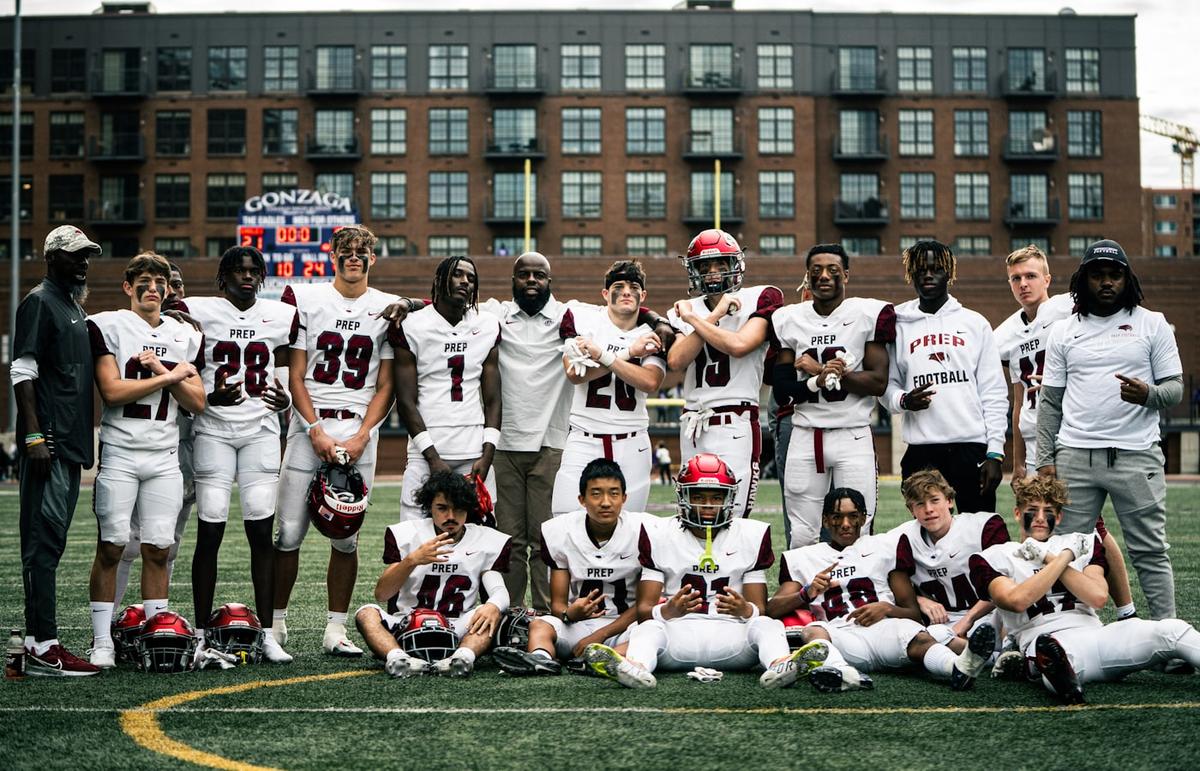
Drug-Free Injury Recovery for Student Athletes at Paramount Chiropractic in Westlake, OH
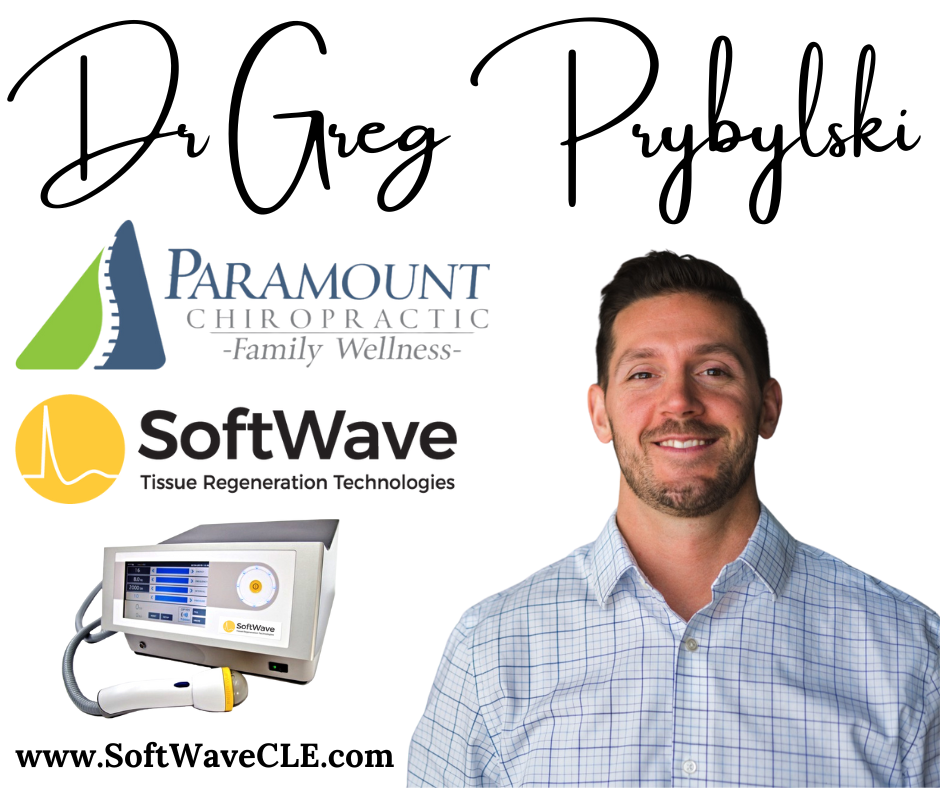
At Paramount Chiropractic, Dr. Greg Prybylski and his expert team help Northeast Ohio’s student athletes recover from the injuries that define fall sports season, using advanced SoftWave Tissue Regeneration Technology (TRT). This innovative, non-invasive approach helps young tissue heal faster and more completely — without medication or downtime. Discover how SoftWave TRT can help your athlete finish the season strong.
Why Fall Is the Highest-Risk Season
August and September create a perfect storm for youth sports injuries. Athletes come off a summer with irregular training, then jump immediately into two-a-day practices, full contact, and a competitive schedule. That abrupt jump in workload — what sports medicine researchers call a spike in acute-to-chronic workload ratio — is one of the most reliable predictors of injury there is. Add growth spurts, sport specialization, hot early-season weather, and the pressure not to lose a spot on the roster, and it becomes clear why the first six weeks of a season account for a disproportionate share of the year’s injuries.
The Injuries We See Most in Fall Athletes
- Ankle Sprains: The single most common injury across football, soccer, volleyball, and cross country.
- Hamstring and Groin Strains: From sprinting and cutting before the athlete is fully conditioned.
- Shin Splints and Stress Reactions: Especially in cross country runners ramping up mileage quickly.
- Knee Pain: Patellofemoral pain and jumper’s knee in volleyball, basketball, and soccer athletes.
- Shoulder Overuse: In volleyball hitters and quarterbacks.
- Growth Plate Irritation: Sever’s disease at the heel and Osgood-Schlatter at the knee — common in growing athletes.
- Low Back Pain: From linemen, rowers, and any athlete with heavy repetitive extension.
Warning Signs Parents Should Not Ignore
- Pain That Persists After Practice: Soreness that does not resolve overnight.
- Limping or Altered Mechanics: A changed gait, throwing motion, or landing pattern.
- Night Pain: Pain that wakes an athlete up — always worth evaluating.
- Point Tenderness on Bone: A specific tender spot on the shin or foot can signal a stress reaction.
- Declining Performance: An athlete who is suddenly slower or weaker despite the same effort.
- “Playing Through It” Quietly: Young athletes routinely underreport pain to stay in the lineup.
The Traditional Route for Youth Sports Injuries
The standard response is rest, ice, over-the-counter anti-inflammatories, and time out of competition — sometimes followed by physical therapy. For young athletes, that is often a reasonable and effective plan. But two things complicate it. First, in a ten- or twelve-game season, “rest for four weeks” can mean missing most of the year, which leads many athletes to hide symptoms and play through injuries they should not. Second, relying on anti-inflammatory medication to get through games treats the symptom while the tissue continues to be damaged. Families reasonably look for something that actually speeds recovery.
Accelerating Recovery Naturally with SoftWave Therapy
SoftWave TRT offers a non-surgical, non-injection, and drug-free option for helping young athletes recover from sports injuries. This advanced shock wave technology utilizes electrohydraulic supersonic acoustic waves traveling over 3,000 mph to stimulate a cascade of positive biological responses at the cellular level for healing, repair, and regeneration. Sessions take roughly 10–15 minutes with no downtime, so athletes can typically go straight from an appointment to practice.
Advanced Benefits of SoftWave TRT
- Decreases Pain and Inflammation: SoftWave therapy helps reduce pain and swelling in injured muscle, tendon, and joint tissue.
- Improves Blood Flow and Circulation: Through a process called angiogenesis, SoftWave TRT enhances circulation, accelerating recovery between games.
- Improves Mobility and Function: By reducing restriction, SoftWave therapy helps athletes move confidently again.
- Stimulates and Activates Resident Stem Cells: SoftWave TRT activates and moves resident stem cells, facilitating the repair and regeneration of damaged tissues.
For runners ramping into cross country season, our guide to common running injuries and accelerated recovery is especially relevant. To get your athlete evaluated before a small problem becomes a lost season, book your SoftWave Discovery Day or call (440) 385-7726.
What Actually Prevents Fall Injuries
The evidence here is unusually clear. Structured neuromuscular warm-up programs — the kind that combine running, strength, plyometrics, and balance work for 15 minutes before practice — have been shown to substantially reduce lower-extremity injuries in youth sports. Beyond that: build workload gradually in the preseason rather than in the first week of practice, protect sleep (which is when tissue repair actually happens), keep athletes hydrated in early-season heat, and encourage at least one season a year in a different sport or in no sport at all. Year-round single-sport specialization is one of the strongest risk factors for overuse injury in young athletes.
The Science Behind SoftWave Tissue Regeneration Technology
SoftWave TRT is grounded in extensive scientific research and proven to modulate inflammation, promote angiogenesis, and activate resident stem cells for tissue repair. Key scientific concepts include:
- Modulation of Inflammation: SoftWave therapy helps regulate inflammatory responses, reducing pain and promoting healing.
- VEGF (Vascular Endothelial Growth Factor): SoftWave TRT stimulates the production of VEGF, enhancing blood vessel formation and improving circulation.
- eNOS (Endothelial Nitric Oxide Synthase): SoftWave technology promotes the production of eNOS, which helps improve blood flow and reduce inflammation.
- BMP (Bone Morphogenetic Proteins): SoftWave therapy stimulates the production of BMPs, which play a crucial role in bone and tissue regeneration.
- Angiogenesis: SoftWave TRT promotes the formation of new blood vessels, enhancing circulation and facilitating healing.
- PCNA (Proliferating Cell Nuclear Antigen): SoftWave technology increases the production of PCNA, essential for cell repair and regeneration.
- Toll-Like Receptors: SoftWave therapy activates toll-like receptors, helping regulate the immune response and promote healing.
- Activation and Migration of Resident Stem Cells: SoftWave TRT stimulates and activates resident stem cells, facilitating tissue repair and regeneration.
Dr. Greg: Supporting Cleveland’s Student Athletes
Dr. Greg Prybylski and his team at Paramount Chiropractic are leaders in using SoftWave TRT to help young athletes recover from sports injuries. Through their expertise, many local athletes have returned to competition faster and more completely, without medication or missed seasons. Dr. Greg and his team are committed to keeping your athlete healthy naturally.
Take the First Step Towards Natural Healing Today
If your athlete is nursing an injury this fall, consider SoftWave TRT as a natural, drug-free way to speed recovery. Request an appointment with Dr. Greg Prybylski and the team at Paramount Chiropractic to experience the advanced benefits of SoftWave TRT. Contact us today or call us at (440) 385-7726. For more information, visit our main website.
SoftWave TRT offers hope and healing for athletes seeking an advanced, non-invasive way to recover. By choosing Paramount Chiropractic, you are opting for a technology that targets the root causes of injury and promotes lasting recovery. Don’t wait – schedule your appointment today and start your journey to improved health and well-being.
‹ Back
Recent Posts
-
Numb Pinky and Ring Finger? Cubital Tunnel Syndrome Explained
October 16, 2026
-
How Many SoftWave Sessions Will I Actually Need?
October 13, 2026
-
-
-
 23760 Center Ridge Rd