


Blog
Garden Season Aches? Natural Relief for Weekend Yard Warriors
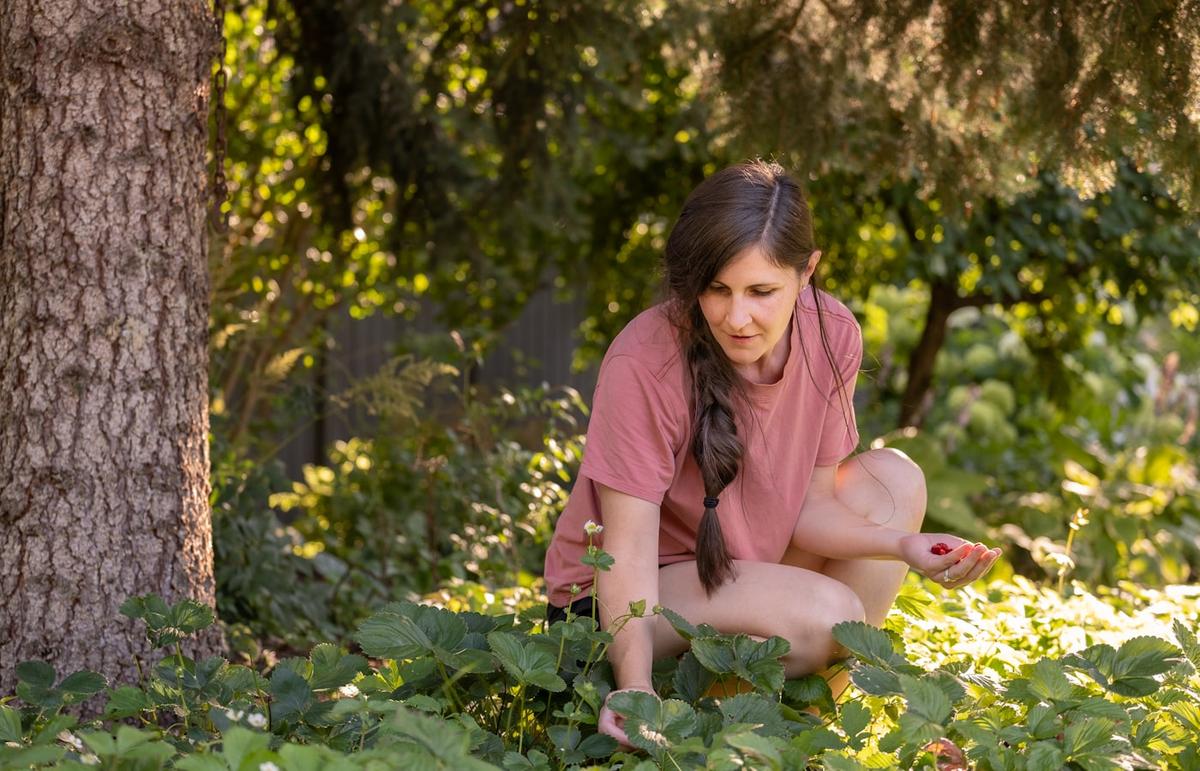
Healing Overuse Strain from Yard Work with SoftWave Therapy at Paramount Chiropractic in Westlake, OH
At Paramount Chiropractic, Dr. Greg Prybylski and his expert team help Northeast Ohio gardeners recover from the low back, knee, hip, and hand pain that comes with a long weekend in the yard, using advanced SoftWave Tissue Regeneration Technology (TRT). This innovative, non-invasive approach helps your body heal the tissue you strained rather than simply masking the ache. Discover how SoftWave TRT can keep you in the garden through the best weeks of an Ohio summer.
Why Gardening Is Harder on the Body Than It Looks
Gardening does not feel like a workout, which is exactly the problem. A single Saturday in the yard can involve hours of sustained forward bending, repeated kneeling and standing, twisting while lifting bags of mulch, and hundreds of repetitions of gripping, pruning, and pulling. These are all sustained, low-load, high-repetition demands — the kind that quietly accumulate strain in muscles, tendons, and joints without any single dramatic moment of injury. Then you stand up at the end of the day, and everything has stiffened at once.
The Most Common Gardening Injuries We See
- Low Back Strain: From prolonged stooping, weeding, and lifting soil, mulch, or pavers.
- Knee Pain: From kneeling on hard ground and repeated squatting on an arthritic joint.
- Hip and Glute Soreness: From hours in a deep crouch and repeated up-and-down transitions.
- Hand, Wrist, and Elbow Pain: Tendon irritation from pruning shears, trowels, and hose work — often showing up as tennis elbow or thumb pain.
- Neck and Shoulder Tension: From overhead trimming, hedge work, and looking down for hours at a time.
- Achilles and Foot Soreness: From uneven ground and flat, unsupportive yard shoes.
Smart Habits That Prevent Most Garden Injuries
- Rotate Tasks Every 20 Minutes: Switch between kneeling, standing, and seated work instead of finishing one job in one posture.
- Use a Kneeler or Garden Stool: Take the direct pressure off the kneecaps and reduce deep squatting.
- Hinge, Don’t Round: Bend from the hips with a neutral spine when lifting, and keep bags close to your body.
- Choose Ergonomic Tools: Long-handled and larger-grip tools dramatically reduce strain on the wrist, thumb, and low back.
- Warm Up and Hydrate: Five minutes of easy walking before you start, and water throughout — especially in August humidity.
The Traditional Route for Overuse Aches
The usual advice for garden-season soreness is rest, ice, and over-the-counter anti-inflammatories, and for most minor strains that is reasonable. The trouble comes when the ache does not resolve. Weeks later you are still guarding your back, your elbow still burns when you grip, or your knee swells every time you kneel. At that point the standard next steps are prescription anti-inflammatories, physical therapy, and eventually cortisone injections. Those manage symptoms, but they do not do much to repair the strained tendon or the irritated joint that started the problem.
Healing Overuse Strain Naturally with SoftWave Therapy
SoftWave TRT offers a non-surgical, non-injection, and drug-free option for addressing the strained tissue behind garden-season pain. This advanced shock wave technology utilizes electrohydraulic supersonic acoustic waves traveling over 3,000 mph to stimulate a cascade of positive biological responses at the cellular level for healing, repair, and regeneration.
Advanced Benefits of SoftWave TRT
- Decreases Pain and Inflammation: SoftWave therapy helps calm the inflammation in overworked muscles, tendons, and joints.
- Improves Blood Flow and Circulation: Through a process called angiogenesis, SoftWave TRT enhances blood flow and circulation, speeding recovery.
- Improves Mobility and Function: By reducing tissue restriction, SoftWave therapy helps you move freely again after a hard weekend.
- Stimulates and Activates Resident Stem Cells: SoftWave TRT activates and moves resident stem cells, facilitating the repair and regeneration of damaged tissues.
If gripping tools has left your hands and wrists aching, our overview of advanced hand and wrist pain relief options is worth a read. To get ahead of your garden-season aches, book your SoftWave Discovery Day or call (440) 385-7726.
When Soreness Stops Being Normal
Ordinary post-gardening soreness is diffuse, symmetrical, and improves noticeably within two or three days. Pay closer attention when the pain is sharp and localized to one spot, when it lingers past a week, when it wakes you at night, or when it comes with swelling, numbness, or tingling. Those are signs you have moved from muscle soreness into an actual tissue injury — a tendon, a disc, a meniscus — and continuing to work through it usually makes the season longer, not shorter. Getting evaluated at that point is what keeps a two-week problem from becoming a two-year one.
The Science Behind SoftWave Tissue Regeneration Technology
SoftWave TRT is grounded in extensive scientific research and proven to modulate inflammation, promote angiogenesis, and activate resident stem cells for tissue repair. Key scientific concepts include:
- Modulation of Inflammation: SoftWave therapy helps regulate inflammatory responses, reducing pain and promoting healing.
- VEGF (Vascular Endothelial Growth Factor): SoftWave TRT stimulates the production of VEGF, enhancing blood vessel formation and improving circulation.
- eNOS (Endothelial Nitric Oxide Synthase): SoftWave technology promotes the production of eNOS, which helps improve blood flow and reduce inflammation.
- BMP (Bone Morphogenetic Proteins): SoftWave therapy stimulates the production of BMPs, which play a crucial role in bone and tissue regeneration.
- Angiogenesis: SoftWave TRT promotes the formation of new blood vessels, enhancing circulation and facilitating healing.
- PCNA (Proliferating Cell Nuclear Antigen): SoftWave technology increases the production of PCNA, essential for cell repair and regeneration.
- Toll-Like Receptors: SoftWave therapy activates toll-like receptors, helping regulate the immune response and promote healing.
- Activation and Migration of Resident Stem Cells: SoftWave TRT stimulates and activates resident stem cells, facilitating tissue repair and regeneration.
Dr. Greg: Keeping Cleveland Gardeners Moving
Dr. Greg Prybylski and his team at Paramount Chiropractic are leaders in using SoftWave TRT to help active people recover from overuse strain. Through their expertise, many patients have gotten back to the yard work, hobbies, and weekend projects they enjoy without lingering pain. Dr. Greg and his team are committed to helping you stay active naturally.
Take the First Step Towards Natural Healing Today
If garden season has left you hurting, consider SoftWave TRT as a natural, non-invasive way to heal the tissue behind the ache. Request an appointment with Dr. Greg Prybylski and the team at Paramount Chiropractic to experience the advanced benefits of SoftWave TRT. Contact us today or call us at (440) 385-7726. For more information, visit our main website.
SoftWave TRT offers hope and healing for those seeking an advanced, non-invasive way to recover from overuse and strain. By choosing Paramount Chiropractic, you are opting for a technology that targets the root causes of your pain and promotes lasting recovery. Don’t wait – schedule your appointment today and start your journey to improved health and well-being.
‹ Back
Recent Posts
-
Do Arthritis Flare-Ups Really Get Worse as the Weather Turns?
September 22, 2026
-
Costochondritis: When Chest Wall Pain Isn't Your Heart
September 19, 2026
-
De Quervain's Tenosynovitis: Thumb-Side Wrist Pain That Won't Quit
September 16, 2026
-
Cortisone Shot Wearing Off Faster Each Time? Here's Why
September 13, 2026
-
Snapping Hip Syndrome: What That Click and Catch Really Means
September 10, 2026

 23760 Center Ridge Rd