

Blog
De Quervain's Tenosynovitis: Thumb-Side Wrist Pain That Won't Quit
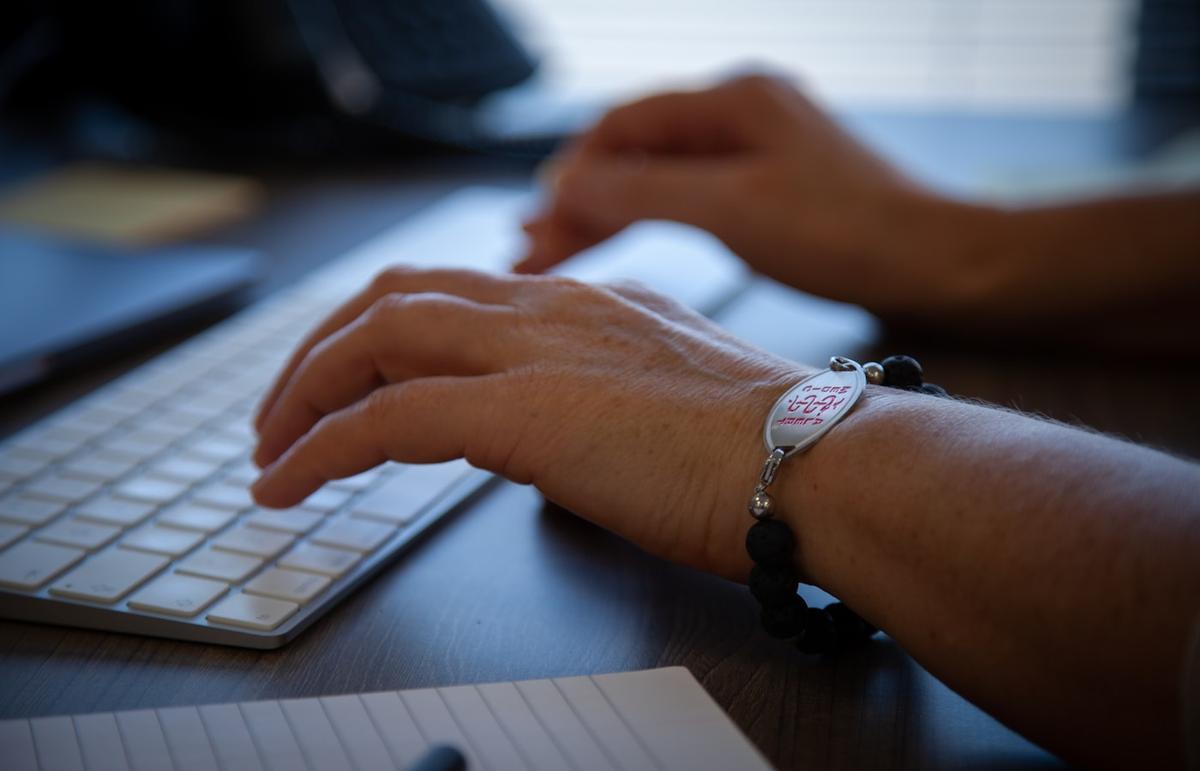
Natural Care for Thumb-Side Wrist Tendon Pain at Paramount Chiropractic in Westlake, OH
At Paramount Chiropractic, Dr. Greg Prybylski and his expert team help patients resolve the sharp thumb-side wrist pain of De Quervain’s tenosynovitis using advanced SoftWave Tissue Regeneration Technology (TRT). This innovative, non-invasive approach offers a natural alternative to steroid injections and tendon release surgery. Discover how SoftWave TRT can help you lift, grip, and twist without that stabbing pain at the base of your thumb.
Understanding De Quervain’s Tenosynovitis
De Quervain’s tenosynovitis affects two tendons on the thumb side of the wrist — the abductor pollicis longus and extensor pollicis brevis — where they pass together through a narrow fibrous tunnel called the first dorsal compartment. That tunnel has a fixed size. When the tendons or their synovial sheath become thickened and inflamed from repetitive use, they no longer glide freely through it. Every thumb movement then drags swollen tissue through a passage that is too small, producing sharp pain, and the friction causes further swelling — a classic self-reinforcing cycle.
What Causes De Quervain’s?
- Repetitive Thumb Motion: Gripping, pinching, wringing, texting, and hand tool use.
- Lifting an Infant: So common in new parents it is nicknamed “mommy’s thumb” — the scooping-under-the-arms lift loads these tendons directly.
- Hormonal Changes: Pregnancy and the postpartum period, which increase tissue fluid and laxity.
- Occupational Strain: Assembly work, hairstyling, gardening, racquet sports, and heavy device use.
- Prior Wrist Injury: Scar tissue that narrows the compartment further.
- Inflammatory Conditions: Rheumatoid arthritis and other systemic inflammatory disease.
Symptoms of De Quervain’s Tenosynovitis
- Pain at the Thumb Side of the Wrist: Often described as sharp or burning, sometimes radiating up the forearm or into the thumb.
- Pain With Gripping and Lifting: Particularly when lifting with the thumb up, as when picking up a child or a coffee pot.
- Swelling: Visible fullness over the thumb-side wrist, occasionally with a small fluid-filled cyst.
- Catching or Sticking: A snapping sensation as the tendons move through the tight compartment.
- A Positive Finkelstein Test: Sharp pain when you tuck the thumb into a fist and bend the wrist toward the little finger.
The Traditional Medical Route for De Quervain’s
Conventional treatment begins with a thumb spica splint, activity modification, and anti-inflammatory medication. When symptoms persist, physicians typically move to corticosteroid injection into the first dorsal compartment, and if that fails, surgical release of the compartment’s roof to create more room. Injections can be effective here, though they may need to be repeated, and steroid exposure carries risks to tendon integrity and can cause skin depigmentation or fat atrophy at the injection site. Surgery is generally successful but involves a nearby superficial radial nerve that can be irritated, occasionally leaving numbness on the back of the thumb.
Healing De Quervain’s Naturally with SoftWave Therapy
SoftWave TRT offers a non-surgical, non-injection, and drug-free option for addressing the inflamed tendon and sheath behind De Quervain’s. This advanced shock wave technology utilizes electrohydraulic supersonic acoustic waves traveling over 3,000 mph to stimulate a cascade of positive biological responses at the cellular level for healing, repair, and regeneration.
Advanced Benefits of SoftWave TRT
- Decreases Pain and Inflammation: SoftWave therapy helps reduce the swelling in the tendons and sheath that makes the compartment too tight.
- Improves Blood Flow and Circulation: Through a process called angiogenesis, SoftWave TRT enhances circulation, promoting faster healing.
- Improves Mobility and Function: By reducing swelling, SoftWave therapy helps the tendons glide smoothly through the compartment again.
- Stimulates and Activates Resident Stem Cells: SoftWave TRT activates and moves resident stem cells, facilitating the repair and regeneration of damaged tissues.
If you have dealt with tendon catching elsewhere in the hand, our article on fixing trigger finger without surgery or steroid shots describes the same mechanism in the fingers. To have your wrist evaluated, book your SoftWave Discovery Day or call (440) 385-7726.
Changing How You Use the Thumb While It Heals
Tissue cannot recover if it is re-irritated dozens of times a day, so a few practical adjustments make a real difference. New parents can lift a baby by scooping under the torso with flat hands and forearms rather than gripping under the arms with thumbs extended — a small change that removes the single biggest daily trigger. At work, use tools with larger grips, avoid sustained pinching, and keep the wrist in a neutral position rather than bent toward the little finger. Take deliberate breaks from phone use, or switch to voice input during a flare. Combined with SoftWave therapy, offloading the tendons is what lets the compartment finally calm down.
The Science Behind SoftWave Tissue Regeneration Technology
SoftWave TRT is grounded in extensive scientific research and proven to modulate inflammation, promote angiogenesis, and activate resident stem cells for tissue repair. Key scientific concepts include:
- Modulation of Inflammation: SoftWave therapy helps regulate inflammatory responses, reducing pain and promoting healing.
- VEGF (Vascular Endothelial Growth Factor): SoftWave TRT stimulates the production of VEGF, enhancing blood vessel formation and improving circulation.
- eNOS (Endothelial Nitric Oxide Synthase): SoftWave technology promotes the production of eNOS, which helps improve blood flow and reduce inflammation.
- BMP (Bone Morphogenetic Proteins): SoftWave therapy stimulates the production of BMPs, which play a crucial role in bone and tissue regeneration.
- Angiogenesis: SoftWave TRT promotes the formation of new blood vessels, enhancing circulation and facilitating healing.
- PCNA (Proliferating Cell Nuclear Antigen): SoftWave technology increases the production of PCNA, essential for cell repair and regeneration.
- Toll-Like Receptors: SoftWave therapy activates toll-like receptors, helping regulate the immune response and promote healing.
- Activation and Migration of Resident Stem Cells: SoftWave TRT stimulates and activates resident stem cells, facilitating tissue repair and regeneration.
Dr. Greg: A Pioneer in SoftWave Therapy for Hand and Wrist Pain
Dr. Greg Prybylski and his team at Paramount Chiropractic are leaders in using SoftWave TRT to help individuals suffering from De Quervain’s tenosynovitis and related tendon conditions. Through their expertise, many patients have found relief and avoided injections and surgery. Dr. Greg and his team have successfully helped countless individuals use their hands comfortably again.
Take the First Step Towards Natural Healing Today
If thumb-side wrist pain has made everyday lifting miserable, consider SoftWave TRT as a natural, non-invasive alternative to injections and surgery. Request an appointment with Dr. Greg Prybylski and the team at Paramount Chiropractic to experience the advanced benefits of SoftWave TRT. Contact us today or call us at (440) 385-7726. For more information, visit our main website.
SoftWave TRT offers hope and healing for those seeking an advanced, non-invasive treatment for De Quervain’s tenosynovitis. By choosing Paramount Chiropractic, you are opting for a technology that targets the root causes of your pain and promotes lasting recovery. Don’t wait – schedule your appointment today and start your journey to improved health and well-being.
‹ Back
Recent Posts
-
Costochondritis: When Chest Wall Pain Isn't Your Heart
September 19, 2026
-
De Quervain's Tenosynovitis: Thumb-Side Wrist Pain That Won't Quit
September 16, 2026
-

Cortisone Shot Wearing Off Faster Each Time? Here's Why
September 13, 2026
-

Snapping Hip Syndrome: What That Click and Catch Really Means
September 10, 2026
-
Slow-Healing Wounds & Diabetic Foot Ulcers: An FDA-Cleared Option
September 7, 2026

 23760 Center Ridge Rd