
Blog
SoftWave vs. PRP and Stem Cell Injections: What's the Difference?
Comparing Your Regenerative Care Options at Paramount Chiropractic in Westlake, OH
At Paramount Chiropractic, Dr. Greg Prybylski and his expert team are frequently asked how SoftWave Tissue Regeneration Technology (TRT) compares to platelet-rich plasma and stem cell injections. All three fall under the banner of regenerative care, and all three aim to help the body repair itself — but they work differently, cost differently, and carry very different levels of risk and inconvenience. Here is an honest comparison to help you decide what makes sense for you.
What Each Therapy Actually Does
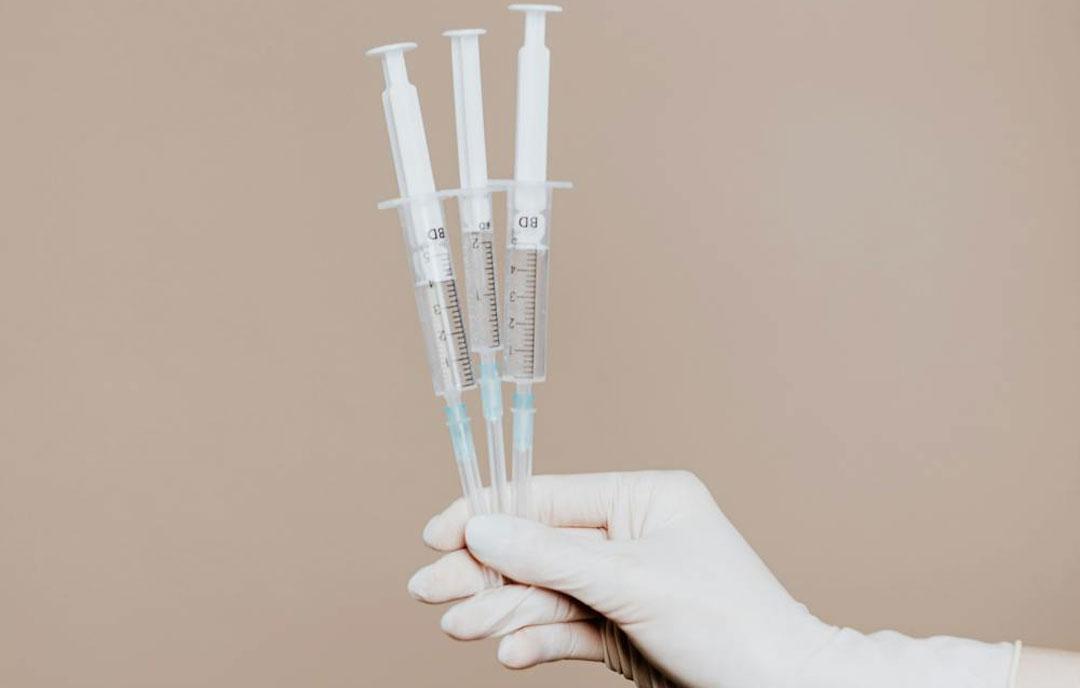
PRP (platelet-rich plasma) starts with your own blood. A sample is drawn, spun in a centrifuge to concentrate the platelets, and injected into the injured area under ultrasound or fluoroscopic guidance. The concentrated growth factors in those platelets are meant to trigger a healing response.
Stem cell injections introduce cells intended to support repair — either harvested from your own bone marrow or fat (an additional procedure in itself), or supplied from donated amniotic or umbilical tissue products. These are also delivered by injection, typically image-guided.
SoftWave TRT takes a fundamentally different route. Rather than injecting anything, it uses electrohydraulic supersonic acoustic waves traveling over 3,000 mph, delivered through the skin, to stimulate the tissue’s own biological repair cascade — including the activation and migration of the resident stem cells already living in and around the injured area.
The Practical Differences That Matter Most
- Needles: PRP and stem cell therapy both require injections — PRP also requires a blood draw, and autologous stem cell harvesting requires a separate aspiration procedure. SoftWave requires none.
- Downtime: Injection-based therapies often come with a period of increased soreness and activity restriction. SoftWave sessions typically take about 10–15 minutes with no downtime — most patients drive themselves home and return to their day.
- Cost: A single PRP or stem cell injection commonly runs from hundreds to several thousand dollars per joint, and neither is typically covered by insurance. SoftWave is generally a substantially more accessible option.
- Number of Sessions: Injection therapies are usually one or a small number of procedures. SoftWave is delivered as a series of sessions, which allows the healing stimulus to be repeated and reinforced over time.
- Risk Profile: Any injection carries some risk of infection, bleeding, and post-injection flare. A non-invasive, transdermal therapy avoids that category of risk entirely.
- Regulatory Standing: SoftWave devices hold FDA 510(k) clearance, including for improved blood supply and the treatment of diabetic foot ulcers. The regulatory landscape around many stem cell products marketed to patients is considerably murkier — a point worth asking any clinic about directly.
Where Each Option Fits
None of this makes injections a bad choice. For certain focal injuries, an image-guided PRP injection placed precisely into a specific lesion can be very appropriate, and some patients do well with it. The honest question is where you should start. For most people dealing with chronic tendon pain, osteoarthritis, plantar fasciitis, or a stubborn overuse injury, it makes sense to begin with the option that involves no needles, no downtime, no procedural risk, and a lower cost — and to reserve more invasive and expensive interventions for cases that do not respond. That is the reasoning behind how we sequence care.
Advanced Benefits of SoftWave TRT
- Decreases Pain and Inflammation: SoftWave therapy helps reduce pain and inflammation in damaged tissue.
- Improves Blood Flow and Circulation: Through a process called angiogenesis, SoftWave TRT enhances blood flow and circulation, promoting faster healing.
- Improves Mobility and Function: By reducing inflammation and restriction, SoftWave therapy helps restore comfortable movement.
- Stimulates and Activates Resident Stem Cells: SoftWave TRT activates and moves resident stem cells, facilitating the repair and regeneration of damaged tissues — without introducing anything from outside your body.
If you are also weighing this against a cortisone shot, our detailed comparison of SoftWave TRT vs. steroid injections for osteoarthritis pain is the natural companion to this article. To talk through which option fits your situation, book your SoftWave Discovery Day or call (440) 385-7726.
Questions Worth Asking Any Regenerative Clinic
Whatever you choose, ask direct questions before you commit. What exactly is being injected, and what is its regulatory status? How many sessions or procedures will this realistically take, and what is the total cost? What does the published evidence say for my specific condition, not for regenerative medicine in general? What happens if it does not work — what is the next step? A clinic that answers those questions clearly and without pressure is one worth working with. Dr. Greg will give you a straight answer about whether SoftWave is a good fit for your condition, including when it is not.
The Science Behind SoftWave Tissue Regeneration Technology
SoftWave TRT is grounded in extensive scientific research and proven to modulate inflammation, promote angiogenesis, and activate resident stem cells for tissue repair. Key scientific concepts include:
- Modulation of Inflammation: SoftWave therapy helps regulate inflammatory responses, reducing pain and promoting healing.
- VEGF (Vascular Endothelial Growth Factor): SoftWave TRT stimulates the production of VEGF, enhancing blood vessel formation and improving circulation.
- eNOS (Endothelial Nitric Oxide Synthase): SoftWave technology promotes the production of eNOS, which helps improve blood flow and reduce inflammation.
- BMP (Bone Morphogenetic Proteins): SoftWave therapy stimulates the production of BMPs, which play a crucial role in bone and tissue regeneration.
- Angiogenesis: SoftWave TRT promotes the formation of new blood vessels, enhancing circulation and facilitating healing.
- PCNA (Proliferating Cell Nuclear Antigen): SoftWave technology increases the production of PCNA, essential for cell repair and regeneration.
- Toll-Like Receptors: SoftWave therapy activates toll-like receptors, helping regulate the immune response and promote healing.
- Activation and Migration of Resident Stem Cells: SoftWave TRT stimulates and activates resident stem cells, facilitating tissue repair and regeneration.
Dr. Greg: Helping You Choose Wisely
Dr. Greg Prybylski and his team at Paramount Chiropractic are leaders in regenerative care in Greater Cleveland. Through their expertise, many patients have avoided unnecessary injections and surgeries by starting with the least invasive effective option. Dr. Greg and his team are committed to giving you a clear, honest assessment of your choices.
Take the First Step Towards Natural Healing Today
If you are weighing PRP, stem cell injections, or surgery, it is worth understanding your non-invasive options first. Request an appointment with Dr. Greg Prybylski and the team at Paramount Chiropractic to experience the advanced benefits of SoftWave TRT. Contact us today or call us at (440) 385-7726. For more information, visit our main website.
SoftWave TRT offers hope and healing for those seeking an advanced, non-invasive path to tissue repair. By choosing Paramount Chiropractic, you are opting for a technology that promotes your body’s natural healing without needles or downtime. Don’t wait – schedule your appointment today and start your journey to improved health and well-being.
‹ Back
Recent Posts
-

Occipital Neuralgia: Shooting Pain at the Base of Your Skull
October 22, 2026
-
Hip Arthritis: Buying Time Before a Hip Replacement
October 19, 2026
-
Numb Pinky and Ring Finger? Cubital Tunnel Syndrome Explained
October 16, 2026
-
How Many SoftWave Sessions Will I Actually Need?
October 13, 2026
-

 23760 Center Ridge Rd