
Blog
Heel Spurs: Why the Spur Usually Isn't the Real Problem
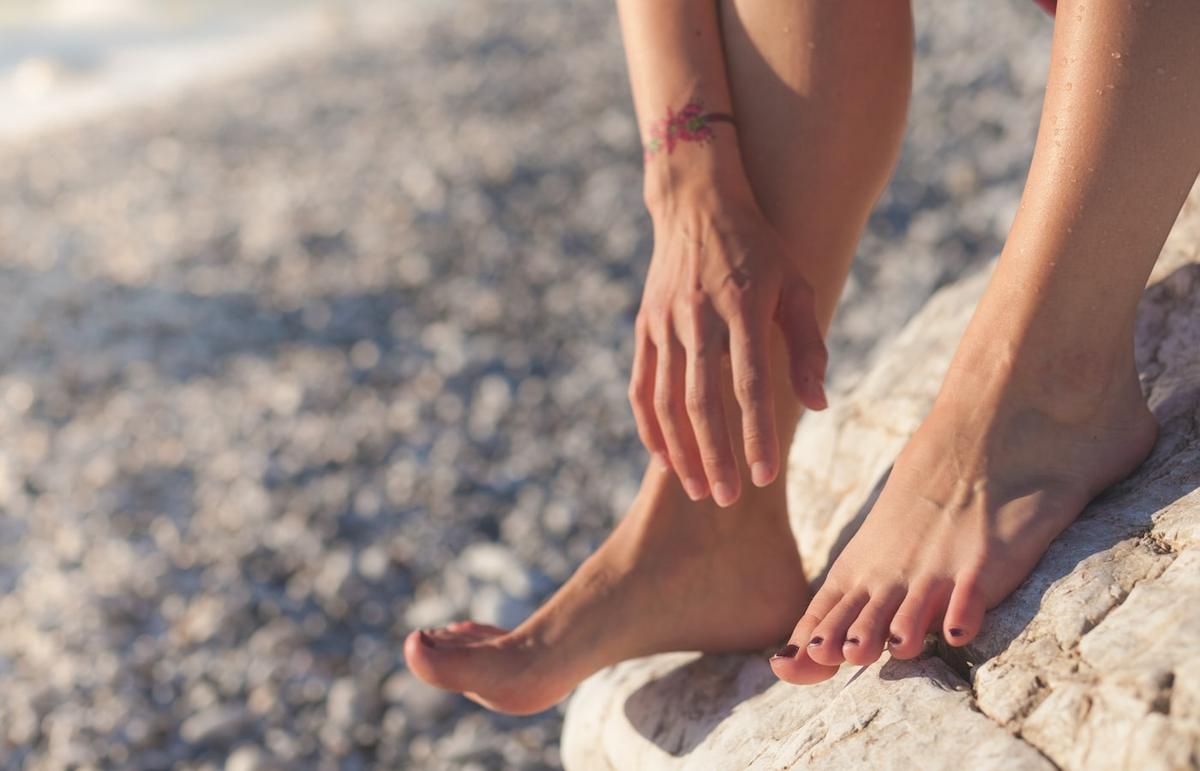
Getting to the Actual Source of Chronic Heel Pain at Paramount Chiropractic in Westlake, OH
At Paramount Chiropractic, Dr. Greg Prybylski and his expert team help patients resolve stubborn heel pain using advanced SoftWave Tissue Regeneration Technology (TRT). This innovative, non-invasive approach targets the soft tissue that is actually generating your pain rather than the bone spur on your X-ray. Discover why removing a spur is rarely the answer — and what genuinely helps.
Understanding Heel Spurs
A heel spur (calcaneal spur) is a bony projection that forms on the underside of the heel bone, typically where the plantar fascia attaches. It shows up clearly on X-ray, which makes it a satisfying thing to blame. But here is the finding that surprises most patients: research has consistently shown that a large share of people with heel spurs have no heel pain at all, and many people with severe heel pain have no spur. The spur is generally a consequence of long-standing traction and inflammation at that attachment site — a footprint of the problem, not the problem itself.
What Actually Causes the Pain
- Plantar Fascia Degeneration: Chronic breakdown of the thick band of tissue along the sole, right at its heel attachment.
- Fat Pad Thinning: Loss of the natural shock-absorbing cushion under the heel with age or repeated impact.
- Achilles and Calf Tightness: Restricted ankle motion that dramatically increases load through the heel and arch.
- Sudden Load Increases: A new job on your feet, a new training program, or a summer spent in flat sandals.
- Foot Mechanics and Body Weight: Flat or high arches and added load that concentrate stress at the attachment.
- Unsupportive Footwear: Worn-out shoes, flip-flops, and hard-soled work boots.
Symptoms of Heel Spur and Plantar Heel Pain
- First-Step Pain: Sharp, stabbing pain with the first steps out of bed or after sitting.
- Pain That Eases Then Returns: Improvement after walking a bit, with a worsening ache later in the day.
- Point Tenderness: A specific sore spot on the inside-front of the heel.
- Pain on Hard Surfaces: Noticeably worse barefoot on tile or on concrete floors.
- Stiffness: Tightness through the arch and calf, especially in the morning.
The Traditional Medical Route for Heel Spurs
Standard care starts with stretching, orthotics, night splints, supportive shoes, and anti-inflammatories — and for many people that combination works. When it does not, the next steps are typically corticosteroid injections into the heel and, in persistent cases, surgery to release the plantar fascia and sometimes remove the spur. Both deserve scrutiny. Steroid injections into the plantar fascia have been associated with fat pad atrophy and, less commonly, fascial rupture. Surgical spur removal, meanwhile, addresses a structure that may not have been causing the pain in the first place, which helps explain why outcomes are inconsistent.
Healing Heel Pain Naturally with SoftWave Therapy
SoftWave TRT offers a non-surgical, non-injection, and drug-free option for addressing the degenerated tissue behind chronic heel pain. This advanced shock wave technology utilizes electrohydraulic supersonic acoustic waves traveling over 3,000 mph to stimulate a cascade of positive biological responses at the cellular level for healing, repair, and regeneration of the plantar fascia and surrounding soft tissue.
Advanced Benefits of SoftWave TRT
- Decreases Pain and Inflammation: SoftWave therapy helps reduce the pain and irritation at the fascia’s attachment to the heel.
- Improves Blood Flow and Circulation: Through a process called angiogenesis, SoftWave TRT enhances circulation to tissue with a limited natural blood supply.
- Improves Mobility and Function: By supporting healthy tissue remodeling, SoftWave therapy helps restore comfortable weight-bearing.
- Stimulates and Activates Resident Stem Cells: SoftWave TRT activates and moves resident stem cells, facilitating the repair and regeneration of damaged tissues.
Heel spurs and plantar fasciitis go hand in hand — our guide to lasting relief for plantar fasciitis goes deeper on the fascia itself. To get your heel evaluated, book your SoftWave Discovery Day or call (440) 385-7726.
Why Chasing the Spur Leads People Down the Wrong Path
When a patient sees a spur on their X-ray, the natural conclusion is that a piece of bone is jabbing into the bottom of the foot with every step, and that removing it will fix everything. Anatomically, that is not what is happening — heel spurs typically project forward within the fascia, not downward into the fat pad. Understanding this matters because it changes the treatment target from “cut out the bone” to “heal the tissue that has been under chronic traction.” That is precisely what SoftWave therapy is designed to do, and it is why so many patients who were told surgery was their only remaining option find meaningful relief without it.
The Science Behind SoftWave Tissue Regeneration Technology
SoftWave TRT is grounded in extensive scientific research and proven to modulate inflammation, promote angiogenesis, and activate resident stem cells for tissue repair. Key scientific concepts include:
- Modulation of Inflammation: SoftWave therapy helps regulate inflammatory responses, reducing pain and promoting healing.
- VEGF (Vascular Endothelial Growth Factor): SoftWave TRT stimulates the production of VEGF, enhancing blood vessel formation and improving circulation.
- eNOS (Endothelial Nitric Oxide Synthase): SoftWave technology promotes the production of eNOS, which helps improve blood flow and reduce inflammation.
- BMP (Bone Morphogenetic Proteins): SoftWave therapy stimulates the production of BMPs, which play a crucial role in bone and tissue regeneration.
- Angiogenesis: SoftWave TRT promotes the formation of new blood vessels, enhancing circulation and facilitating healing.
- PCNA (Proliferating Cell Nuclear Antigen): SoftWave technology increases the production of PCNA, essential for cell repair and regeneration.
- Toll-Like Receptors: SoftWave therapy activates toll-like receptors, helping regulate the immune response and promote healing.
- Activation and Migration of Resident Stem Cells: SoftWave TRT stimulates and activates resident stem cells, facilitating tissue repair and regeneration.
Dr. Greg: A Pioneer in SoftWave Therapy for Heel Pain
Dr. Greg Prybylski and his team at Paramount Chiropractic are leaders in using SoftWave TRT to help individuals suffering from chronic heel pain and heel spurs. Through their expertise, many patients have found relief and avoided injections and surgery. Dr. Greg and his team have successfully helped countless individuals take a comfortable first step in the morning again.
Take the First Step Towards Natural Healing Today
If heel pain has followed you for months, consider SoftWave TRT as a natural, non-invasive alternative to injections and surgery. Request an appointment with Dr. Greg Prybylski and the team at Paramount Chiropractic to experience the advanced benefits of SoftWave TRT. Contact us today or call us at (440) 385-7726. For more information, visit our main website.
SoftWave TRT offers hope and healing for those seeking an advanced, non-invasive treatment for chronic heel pain. By choosing Paramount Chiropractic, you are opting for a technology that targets the root causes of your pain and promotes lasting recovery. Don’t wait – schedule your appointment today and start your journey to improved health and well-being.
‹ Back
Recent Posts
-

Occipital Neuralgia: Shooting Pain at the Base of Your Skull
October 22, 2026
-

Hip Arthritis: Buying Time Before a Hip Replacement
October 19, 2026
-
Numb Pinky and Ring Finger? Cubital Tunnel Syndrome Explained
October 16, 2026
-
How Many SoftWave Sessions Will I Actually Need?
October 13, 2026
-

 23760 Center Ridge Rd