


Blog
Groin & Adductor Strains: Heal the Tear, Not Just the Soreness
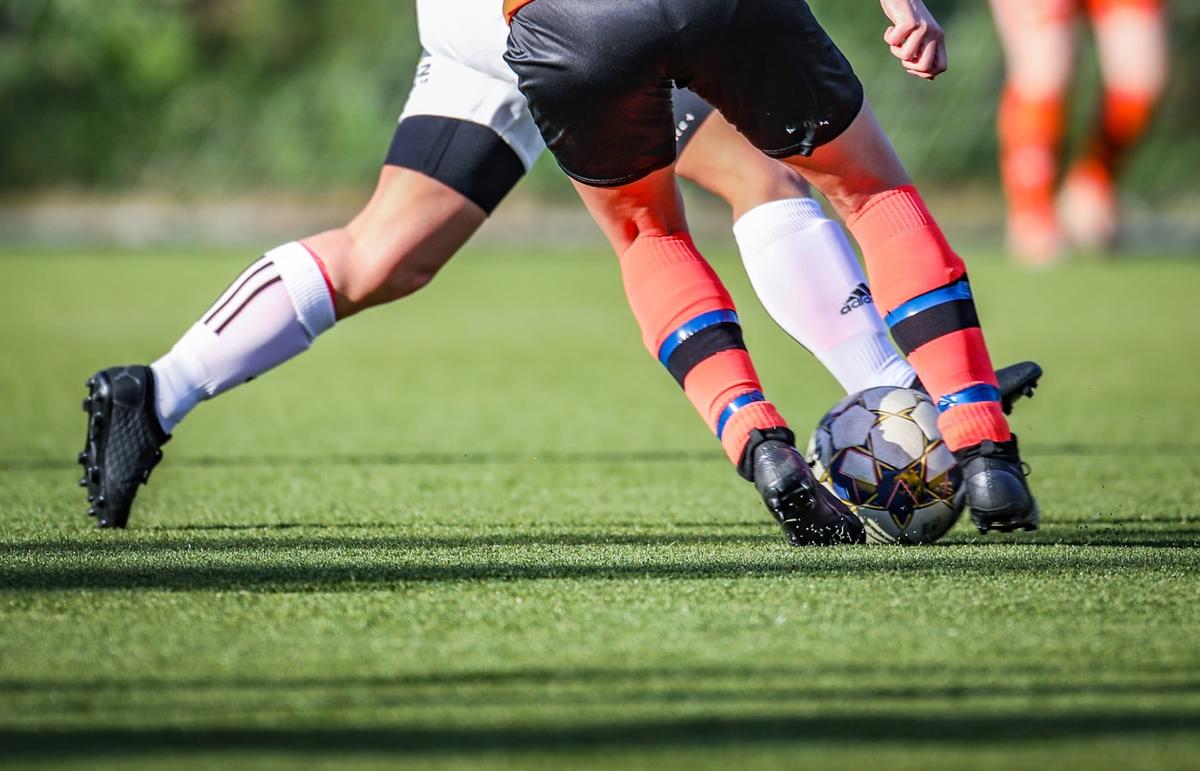
Breaking the Groin Reinjury Cycle with SoftWave Therapy at Paramount Chiropractic in Westlake, OH
At Paramount Chiropractic, Dr. Greg Prybylski and his expert team help athletes and active adults recover fully from groin and adductor strains using advanced SoftWave Tissue Regeneration Technology (TRT). This innovative, non-invasive approach helps the injured muscle and tendon actually repair, instead of leaving you with a groin that never quite feels right again. Discover how SoftWave TRT can end the cycle of reinjury.
Understanding Groin and Adductor Strains
The adductor group — adductor longus, brevis, magnus, pectineus, and gracilis — runs along the inner thigh from the pubic bone to the femur. These muscles pull the leg toward midline and stabilize the pelvis during cutting, pivoting, and kicking. A groin strain occurs when these muscles or their tendons are stretched beyond capacity, most often during a sudden change of direction, a lunging reach, or a forceful kick. The adductor longus tendon near its attachment on the pubic bone is by far the most common site — and it is also one of the slowest to fully heal, because tendon tissue near a bony attachment has a limited blood supply.
What Causes Groin Strains?
- Explosive Change of Direction: Cutting, pivoting, and lateral movement in soccer, hockey, tennis, and basketball.
- Kicking Mechanics: The forceful adduction that finishes a kick or a slap shot.
- Weak or Fatigued Adductors: Muscles asked to produce more force than they are conditioned for.
- Adductor-to-Abductor Imbalance: Notably strong hip abductors paired with relatively weak adductors.
- Inadequate Warm-Up: Cold tissue asked to go from zero to maximum in a single movement.
- Previous Groin Injury: The single strongest predictor of the next one.
Symptoms of an Adductor Strain
- Sharp Inner-Thigh Pain: Often felt at the moment of injury, high in the groin near the pubic bone.
- Pain With Squeezing: Discomfort when pressing your knees together against resistance.
- Tenderness Along the Inner Thigh: A distinctly sore band that hurts to press.
- Bruising or Swelling: Visible in more significant tears, sometimes appearing a day or two later.
- Weakness With Cutting: An inability to trust the leg when changing direction.
- Recurrent Tightness: A groin that feels perpetually “on the edge” of pulling again.
The Traditional Route for Groin Strains
Standard management is rest, ice, compression, and a gradual return to activity, often with physical therapy for progressive adductor strengthening. That framework is sound — but groin strains have a well-documented reputation for lingering and recurring. Part of the reason is impatience: the pain settles well before the tissue has rebuilt its tensile strength, and athletes return to cutting sports on a tendon that is not ready. The other part is biological: the adductor tendon’s attachment area heals slowly on its own, and nothing in the standard protocol actively accelerates that repair. Chronic cases often end up with cortisone injections or, occasionally, surgery.
Healing Groin Strains Naturally with SoftWave Therapy
SoftWave TRT offers a non-surgical, non-injection, and drug-free option for addressing the damaged tissue behind a groin strain. This advanced shock wave technology utilizes electrohydraulic supersonic acoustic waves traveling over 3,000 mph to stimulate a cascade of positive biological responses at the cellular level for healing, repair, and regeneration of the injured muscle and tendon.
Advanced Benefits of SoftWave TRT
- Decreases Pain and Inflammation: SoftWave therapy helps calm the inflammation in the strained adductor tissue.
- Improves Blood Flow and Circulation: Through a process called angiogenesis, SoftWave TRT enhances circulation to the poorly vascularized tendon attachment.
- Improves Mobility and Function: By supporting healthy tissue remodeling, SoftWave therapy helps restore a groin you can trust under load.
- Stimulates and Activates Resident Stem Cells: SoftWave TRT activates and moves resident stem cells, facilitating the repair and regeneration of damaged tissues.
If you have also dealt with the reinjury cycle in the back of the leg, our article on breaking the hamstring re-injury cycle covers the same principle from the other side. To get your groin strain healing properly, book your SoftWave Discovery Day or call (440) 385-7726.
Returning to Sport Without Re-Tearing
The single biggest mistake with groin injuries is returning to cutting sports based on how the groin feels at rest. A useful benchmark is symmetry under load: your adductor squeeze strength should be close to the uninjured side, you should be able to accelerate, decelerate, and change direction at full effort in practice without guarding, and you should be able to do it again the next day without a flare. Getting there generally requires deliberate eccentric adductor work — the Copenhagen adduction exercise is a well-studied option — layered on top of tissue that has genuinely healed. SoftWave therapy addresses the healing side so that the strengthening work has sound tissue to build on.
The Science Behind SoftWave Tissue Regeneration Technology
SoftWave TRT is grounded in extensive scientific research and proven to modulate inflammation, promote angiogenesis, and activate resident stem cells for tissue repair. Key scientific concepts include:
- Modulation of Inflammation: SoftWave therapy helps regulate inflammatory responses, reducing pain and promoting healing.
- VEGF (Vascular Endothelial Growth Factor): SoftWave TRT stimulates the production of VEGF, enhancing blood vessel formation and improving circulation.
- eNOS (Endothelial Nitric Oxide Synthase): SoftWave technology promotes the production of eNOS, which helps improve blood flow and reduce inflammation.
- BMP (Bone Morphogenetic Proteins): SoftWave therapy stimulates the production of BMPs, which play a crucial role in bone and tissue regeneration.
- Angiogenesis: SoftWave TRT promotes the formation of new blood vessels, enhancing circulation and facilitating healing.
- PCNA (Proliferating Cell Nuclear Antigen): SoftWave technology increases the production of PCNA, essential for cell repair and regeneration.
- Toll-Like Receptors: SoftWave therapy activates toll-like receptors, helping regulate the immune response and promote healing.
- Activation and Migration of Resident Stem Cells: SoftWave TRT stimulates and activates resident stem cells, facilitating tissue repair and regeneration.
Dr. Greg: A Pioneer in SoftWave Therapy for Sports Injuries
Dr. Greg Prybylski and his team at Paramount Chiropractic are leaders in using SoftWave TRT to help athletes recover from muscle and tendon injuries. Through their expertise, many athletes have returned to their sport with confidence instead of nursing a groin that never fully healed. Dr. Greg and his team are committed to getting you back to full speed naturally.
Take the First Step Towards Natural Healing Today
If a groin strain keeps coming back, consider SoftWave TRT as a natural, non-invasive way to heal the tissue properly. Request an appointment with Dr. Greg Prybylski and the team at Paramount Chiropractic to experience the advanced benefits of SoftWave TRT. Contact us today or call us at (440) 385-7726. For more information, visit our main website.
SoftWave TRT offers hope and healing for athletes seeking an advanced, non-invasive treatment for muscle and tendon strains. By choosing Paramount Chiropractic, you are opting for a technology that targets the root causes of your pain and promotes lasting recovery. Don’t wait – schedule your appointment today and start your journey to improved health and well-being.
‹ Back
Recent Posts
-

Occipital Neuralgia: Shooting Pain at the Base of Your Skull
October 22, 2026
-

Hip Arthritis: Buying Time Before a Hip Replacement
October 19, 2026
-
Numb Pinky and Ring Finger? Cubital Tunnel Syndrome Explained
October 16, 2026
-
How Many SoftWave Sessions Will I Actually Need?
October 13, 2026
-

 23760 Center Ridge Rd