
Blog
Dupuytren's Contracture: When Your Fingers Won't Straighten
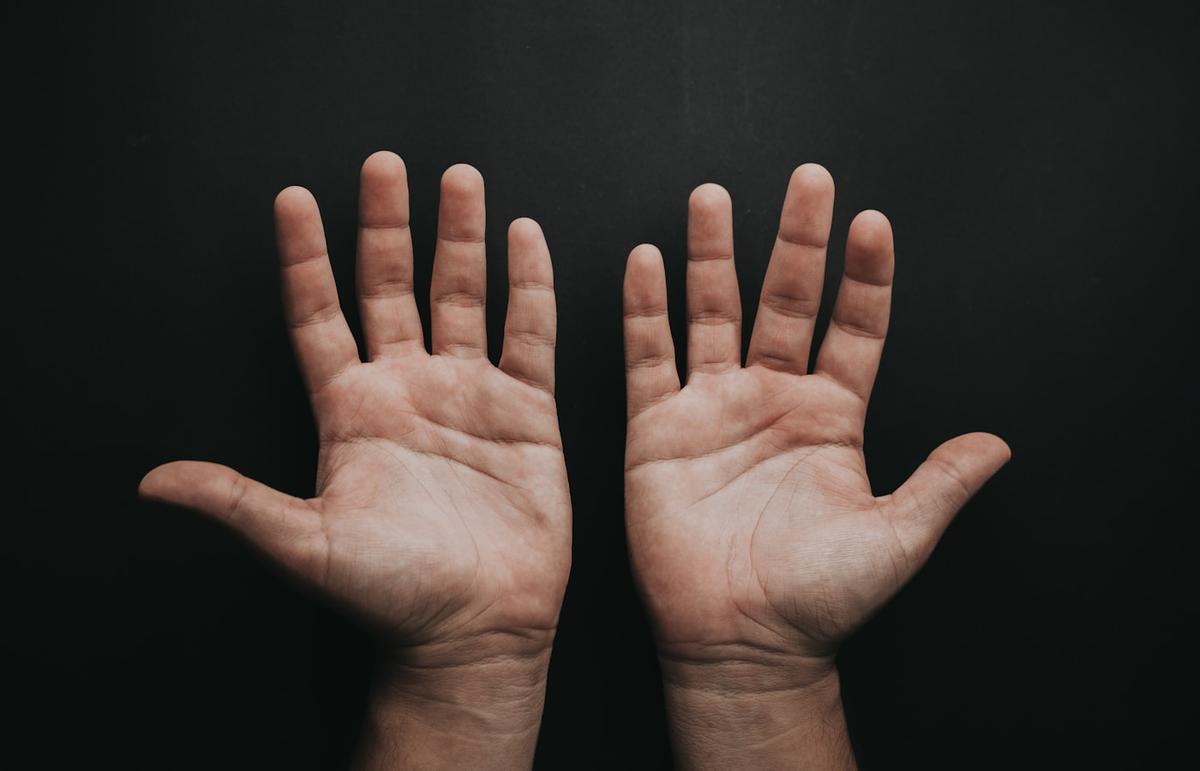
Understanding Palmar Fibrosis and Where Non-Invasive Care Fits — Paramount Chiropractic, Westlake, OH
At Paramount Chiropractic, Dr. Greg Prybylski and his expert team help patients dealing with the thickened palm tissue and finger tightness of Dupuytren’s contracture using advanced SoftWave Tissue Regeneration Technology (TRT). This innovative, non-invasive approach targets the fibrous tissue and associated discomfort naturally. Discover how SoftWave TRT may help you keep your hand functional and comfortable.
Understanding Dupuytren’s Contracture
Dupuytren’s contracture is a progressive thickening and shortening of the palmar fascia — the sheet of connective tissue just beneath the skin of the palm. It typically begins as a small, firm nodule in the palm, often near the base of the ring or little finger. Over months or years, that nodule can extend into a tough cord running toward the finger. As the cord contracts, it gradually pulls the finger toward the palm, and eventually the finger cannot be fully straightened. The process is driven by myofibroblasts — cells that lay down excess collagen and generate contractile force — and by the excessive collagen cross-linking that makes the tissue increasingly rigid.
Who Develops Dupuytren’s?
- Northern European Ancestry: So strongly associated it is sometimes called “Viking disease.”
- Family History: A clear hereditary component — it frequently runs in families.
- Age and Sex: Most common in men over 50, though women develop it as well, often later.
- Diabetes: A well-established association, particularly with long-standing diabetes.
- Alcohol and Tobacco Use: Both linked to higher incidence and to more aggressive progression.
- Seizure Disorders: An association noted in patients with epilepsy.
How It Progresses
- Nodule Stage: A firm lump in the palm, sometimes tender at first, often mistaken for a callus.
- Pitting and Puckering: Dimpling of the overlying skin as the fascia tethers it.
- Cord Formation: A rope-like band extending from the palm into the finger.
- Contracture: The finger begins to bend and cannot be fully straightened.
- Functional Loss: Difficulty putting a hand flat on a table, into a pocket, or around a glove — the classic tabletop test.
The Traditional Medical Route for Dupuytren’s
Early Dupuytren’s is usually watched rather than treated, since the condition can remain stable for years. Once contracture reaches roughly 30 degrees at the knuckle, or once the hand cannot lie flat, hand surgeons typically offer needle aponeurotomy (dividing the cord with a needle), collagenase injection (an enzyme that dissolves the cord), or surgical fasciectomy (removing the diseased tissue). These procedures can restore substantial finger extension. Their shared limitation is recurrence — Dupuytren’s is a biological process, not just a mechanical one, and the tissue has a well-documented tendency to come back over the following years.
Supporting the Hand with SoftWave Therapy
SoftWave TRT offers a non-surgical, non-injection, and drug-free option for addressing the fibrotic tissue and associated discomfort in the palm. This advanced shock wave technology utilizes electrohydraulic supersonic acoustic waves traveling over 3,000 mph to stimulate a cascade of positive biological responses at the cellular level, including improved circulation and healthy tissue remodeling in the affected area.
Advanced Benefits of SoftWave TRT
- Decreases Pain and Inflammation: SoftWave therapy helps reduce the tenderness that accompanies early nodules and the surrounding tissue.
- Improves Blood Flow and Circulation: Through a process called angiogenesis, SoftWave TRT enhances blood flow and circulation to the palm’s connective tissue.
- Supports Healthy Tissue Remodeling: SoftWave therapy promotes more organized tissue behavior, which may help reduce the restriction patients feel.
- Stimulates and Activates Resident Stem Cells: SoftWave TRT activates and moves resident stem cells, facilitating the repair and regeneration of damaged tissues.
Dupuytren’s often coexists with other hand conditions — particularly in patients with diabetes, who also see higher rates of trigger finger. To have your hand evaluated, book your SoftWave Discovery Day or call (440) 385-7726.
Setting Honest Expectations
We want to be straightforward about this one. Dupuytren’s is a genetically driven fibrotic condition, and no conservative therapy — SoftWave included — is going to reverse an established, rigid cord that has already pulled a finger into a fixed bend. Once contracture is significant, a hand surgeon is the right person to see, and we will tell you so. Where a non-invasive approach may have a role is earlier: at the nodule stage, when tissue is tender and thickening but not yet contracted, and in supporting circulation and tissue quality in a hand that is being monitored. Dr. Greg will assess where you are in the progression and give you a candid answer about whether SoftWave makes sense for you or whether a surgical referral is the better next step.
The Science Behind SoftWave Tissue Regeneration Technology
SoftWave TRT is grounded in extensive scientific research and proven to modulate inflammation, promote angiogenesis, and activate resident stem cells for tissue repair. Key scientific concepts include:
- Modulation of Inflammation: SoftWave therapy helps regulate inflammatory responses, reducing pain and promoting healing.
- VEGF (Vascular Endothelial Growth Factor): SoftWave TRT stimulates the production of VEGF, enhancing blood vessel formation and improving circulation.
- eNOS (Endothelial Nitric Oxide Synthase): SoftWave technology promotes the production of eNOS, which helps improve blood flow and reduce inflammation.
- BMP (Bone Morphogenetic Proteins): SoftWave therapy stimulates the production of BMPs, which play a crucial role in bone and tissue regeneration.
- Angiogenesis: SoftWave TRT promotes the formation of new blood vessels, enhancing circulation and facilitating healing.
- PCNA (Proliferating Cell Nuclear Antigen): SoftWave technology increases the production of PCNA, essential for cell repair and regeneration.
- Toll-Like Receptors: SoftWave therapy activates toll-like receptors, helping regulate the immune response and promote healing.
- Activation and Migration of Resident Stem Cells: SoftWave TRT stimulates and activates resident stem cells, facilitating tissue repair and regeneration.
Dr. Greg: A Straight Assessment of Your Hand
Dr. Greg Prybylski and his team at Paramount Chiropractic are leaders in using SoftWave TRT for hand and wrist conditions across Greater Cleveland. Through their expertise, many patients have found relief from hand pain and stiffness naturally — and have been referred appropriately when a condition called for it. Dr. Greg and his team are committed to giving you an honest evaluation, not a sales pitch.
Take the First Step Towards Natural Healing Today
If you have noticed a firm lump in your palm or your hand no longer lies flat, get it evaluated. Request an appointment with Dr. Greg Prybylski and the team at Paramount Chiropractic to learn about the advanced benefits of SoftWave TRT. Contact us today or call us at (440) 385-7726. For more information, visit our main website.
SoftWave TRT offers hope and healing for those seeking an advanced, non-invasive approach to hand pain and stiffness. By choosing Paramount Chiropractic, you are opting for a technology that promotes your body’s natural healing. Don’t wait – schedule your appointment today and start your journey to improved health and well-being.
‹ Back
Recent Posts
-

Occipital Neuralgia: Shooting Pain at the Base of Your Skull
October 22, 2026
-
Hip Arthritis: Buying Time Before a Hip Replacement
October 19, 2026
-
Numb Pinky and Ring Finger? Cubital Tunnel Syndrome Explained
October 16, 2026
-
How Many SoftWave Sessions Will I Actually Need?
October 13, 2026
-

 23760 Center Ridge Rd